Winery: A Typeface Blending Handcrafted Charm with Luxury
There’s a moment when a design stops feeling assembled and starts feeling curated. It’s that shift from simply placing elements on a canvas to telling a cohesive story, where every detail contributes to a specific mood or memory. For projects that need to evoke the warmth of a sun-drenched vineyard, the intimacy of a handwritten note, and the quiet confidence of a premium product, the right typeface becomes the storyteller. Winery, a modern handwritten font, steps into this role with a distinct personality that balances rustic authenticity and upscale elegance.
The Visual Soul of a Script Font
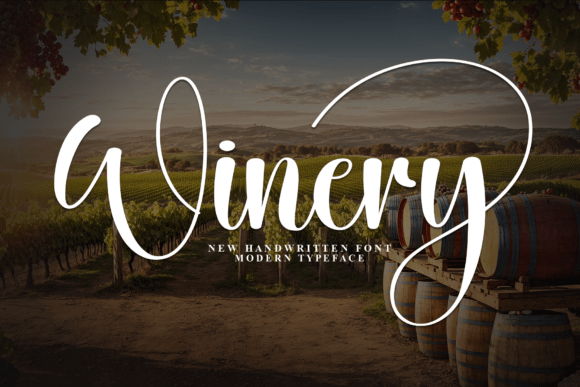
At its core, Winery is a study in sophisticated contrast. It’s not a casual, quick scrawl, nor is it a rigid, formal calligraphy. Instead, it masters a space in between. The towering capital initials command attention with their sweeping, confident loops, immediately setting a tone of importance and artistry. These uppercase letters feel like the grand entrance to a historic estate. From there, the design flows into a more relaxed, rhythmic lowercase. The bold downstrokes taper gracefully, creating a beautiful silhouette that feels both handcrafted and intentional. This dynamic gives the typeface a natural rhythm, making blocks of text feel approachable while headlines retain a powerful presence.
A key technical feature that enhances its practicality is the crisp outer drop-contour. This subtle, defined edge ensures the letterforms pop with flawless clarity, even when layered over complex backgrounds. Imagine this font over a textured photo of aged oak barrels, a deep burgundy wine label, or a rich, dark chocolate wrapper. The design remains perfectly legible and visually striking, making it a reliable asset for real-world applications where backgrounds are rarely simple.
Where This Creative Font Truly Shines
Understanding a typeface’s personality is one thing; knowing where to apply it is another. Winery’s blend of casual fluidity and editorial polish makes it exceptionally versatile for specific creative and commercial projects. Its strength lies in communicating heritage, craftsmanship, and a premium experience.
- Brand Identity & Logo Design: For artisanal brands—think small-batch distilleries, gourmet food producers, boutique hotels, or organic farms—Winery can form the cornerstone of a visual identity. A logo set in this font immediately communicates a story of hands-on quality and tradition. It works beautifully for a primary wordmark or as a complementary accent font for taglines and descriptors.
- Packaging & Label Design: This is arguably where the font feels most at home. On wine bottles, spirit labels, olive oil tins, or specialty coffee bags, it adds an instant layer of perceived value and artisanal care. The oversized initials are perfect for highlighting a brand name or a product line, guiding the consumer’s eye directly to what matters.
- Editorial & Print Layouts: In magazine spreads, lookbooks, or restaurant menus, Winery can elevate section headers, pull quotes, and chapter titles. It injects personality into editorial design without sacrificing the clarity needed for body text when paired correctly with a clean sans serif or serif font.
- Digital Presence & Social Media: For websites and social media, it’s a powerful tool for creating visual hooks. Use it for hero section headlines, promotional banner text, or stylized Instagram story graphics. Its inherent elegance helps content stand out in a crowded feed, communicating a lifestyle rather than just a product.
- Invitations & Special Event Materials: Wedding suites, gala invitations, and upscale event collateral benefit immensely from its romantic, hand-lettered feel. It conveys exclusivity and personal attention, setting the tone for a memorable experience before the event even begins.
Practical Advice for Using a Premium Display Font
Adopting a character-rich typeface like this requires a thoughtful approach to ensure it enhances rather than overwhelms your design. Here are some practical considerations for integrating it effectively.
Pairing is Everything. A display font with this much personality should rarely stand alone for all text. Its ideal partner is a neutral, highly readable font for body copy. A classic sans serif (like Helvetica, Futura, or a modern geometric sans) or a clean serif (like Garamond or a contemporary transitional serif) will provide a stable foundation, allowing Winery’s expressive details to shine without causing visual fatigue. Test your pairings at different sizes to ensure harmony.
Readability First. While beautiful, handwritten fonts can pose readability challenges, especially in long paragraphs or at small sizes. Use Winery strategically: for headlines, logos, short phrases, and accents. For longer descriptions, ingredient lists, or website body text, switch to your paired, more legible font. Always conduct a squint test—if the text becomes a blurry shape when you squint, it may not be readable enough for that context.
Explore the Included Styles. A comprehensive font package often includes more than one style. Check if Winery comes with alternate characters, ligatures, or stylistic sets. These features can add even more customization and uniqueness to your designs, allowing you to create truly bespoke typography for different applications within the same brand system.
Consider Licensing for Commercial Projects. If you’re using the font for client work, merchandise, or any project that generates revenue, ensure you have the correct commercial license. Understanding the terms protects you legally and supports the type designers who create these valuable assets. Most premium font foundries offer clear licensing tiers for different uses.
Building a Cohesive Visual Language
Ultimately, a typeface like Winery is more than just a set of letters; it’s a design asset that helps build a recognizable and resonant brand language. Its consistent use across various touchpoints—from a website header to a physical hang tag—reinforces brand identity and fosters audience recognition. When a customer sees the same elegant, handcrafted lettering on a social media ad and then on the product packaging, it creates a seamless and trustworthy experience.
Choosing a font is a strategic decision. It’s about aligning the visual tone of your typography with the core values of your project—whether that’s heritage, luxury, authenticity, or warmth. By matching the font’s personality to your project’s goals, you move beyond decoration and into effective visual communication. Test it in context, see how it interacts with your color palette and imagery, and ensure it tells the right story for your audience. When the alignment is right, the result is a design that feels both intentional and effortlessly beautiful.