Blackrend: Crafting Powerful Gothic Identities
In a digital landscape saturated with clean sans-serifs and playful scripts, there's a growing hunger for typography that feels rooted in history, weight, and raw power. It's a search for fonts that don't just display words, but that tell a story before the first sentence is even read. This is where a typeface like Blackrend enters the conversation, offering a direct connection to a medieval, Gothic aesthetic that can transform a project from merely informative to deeply atmospheric and memorable.
More Than Just a Font: A Visual Statement
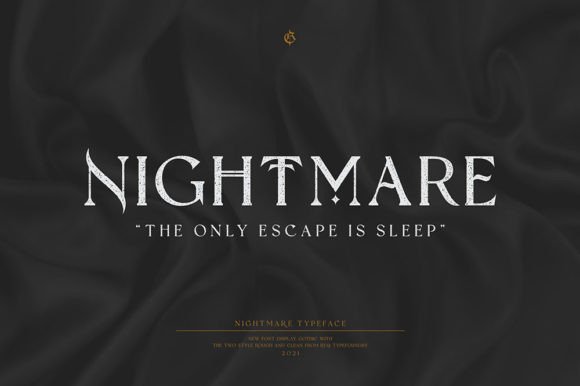
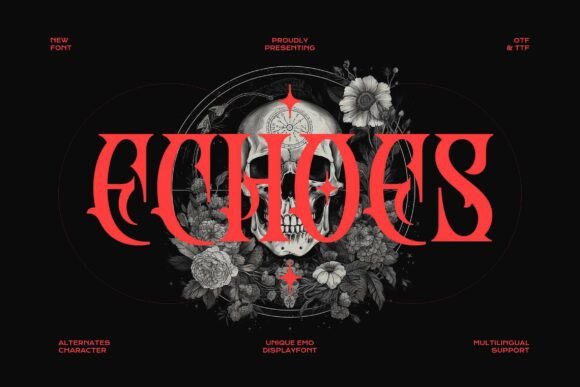
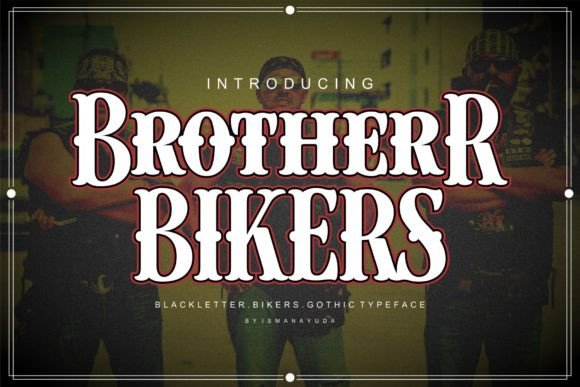
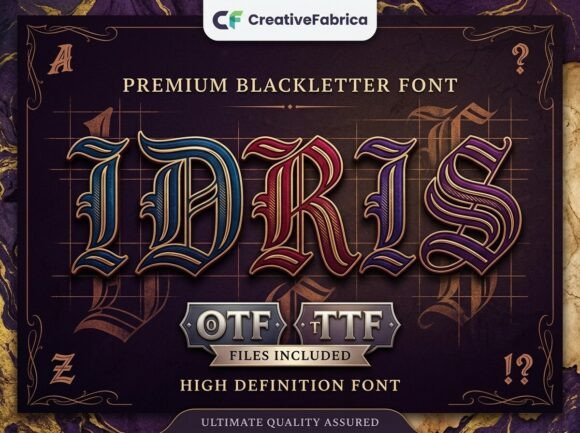
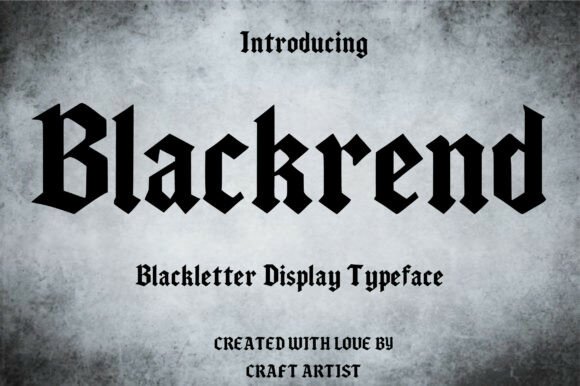
Blackrend is a Blackletter display typeface, a style historically associated with handwritten manuscripts, official decrees, and the foundational texts of early printing. Its visual DNA is unmistakable: sharp, chiseled edges, high-contrast strokes, and an overall structure that feels both ornamental and fiercely strong. This isn't a font that whispers; it declares. The classic medieval feel is balanced with legibility, making it a powerful tool for modern designers who need to capture attention and convey a specific mood instantly. Think of the difference between a generic "Sale" sign and one that evokes the hand-lettered proclamations of a historic guild—the latter carries inherent authority and intrigue.
Practical Applications for a Distinctive Brand
The true test of a creative asset is its versatility across real-world projects. Blackrend’s robust character set, including uppercase, lowercase, numbers, and punctuation, makes it adaptable for a surprising range of applications. Its strength lies in contexts where a strong, narrative-driven identity is paramount.
- Logo & Brand Identity: For a craft brewery, a historic-themed restaurant, a metal band, or a vintage apparel line, a logo set in Blackrend can establish a powerful core identity. It immediately communicates heritage, strength, and a handcrafted quality that resonates with specific audiences.
- Packaging & Merchandise: The font excels on product labels for artisanal goods, whiskey bottles, or specialty coffee. Its impact extends to merchandise like t-shirts, hats, and posters, creating wearable or displayable art that fans and customers are proud to own.
- Editorial & Event Design: Use it for the masthead of a niche magazine, the title of a dramatic book cover, or the key typography on a poster for a music festival or Halloween event. It sets a powerful tone for editorial layouts and can make event invitations feel like historic artifacts.
- Digital Presence: When used judiciously for website headers, hero text, or social media graphics, Blackrend can stop the scroll. It’s particularly effective for bands, tattoo artists, or any creator looking to build a dark, premium, and intense online persona.
Integrating Gothic Flair with Modern Design Principles
Adopting a strong display font like Blackrend requires a thoughtful approach to ensure it enhances rather than overwhelms. The goal is to harness its power while maintaining clarity and cohesion with your broader design goals.
Font Pairing is Key: Blackrend demands a complementary partner. Pair it with a clean, neutral sans-serif font for body text. The contrast will make your headlines pop while ensuring paragraphs remain easy to read. A simple serif can also work for a slightly more traditional but still impactful pairing. Avoid pairing it with other highly decorative fonts, as this creates visual chaos.
Readability and Context: This is a display font, meaning it's designed for short bursts of high-impact text—titles, logos, and headers. For lengthy body copy, always choose a simpler, more legible typeface. Consider the medium: on a large poster, its details shine. On a small mobile screen, use it for a single, powerful headline, not for multiple lines of text.
Achieving Visual Consistency: Using Blackrend consistently for all major headings across your website, social media, and print materials can significantly boost brand recognition. It becomes a visual signature that your audience learns to associate with your unique identity. This consistency is a cornerstone of professional presentation.
Key Considerations Before You Deploy
Before integrating any new font into your workflow, a few practical checks will save time and ensure a smooth process. First, always review the full character set of the font. Does it include all the punctuation and symbols you need for your projects? Next, and critically for any commercial use, verify the licensing. A premium font typically comes with a license that specifies how it can be used—on websites, in apps, on physical merchandise, or in client work. Understanding this protects both you and the font creator.
Finally, test the font in your actual design environment. Create a mock-up of a logo, a social media post, or a product label. Does it feel right for your specific project? Does it evoke the intended emotional response? This hands-on testing is the most reliable way to choose the right font style and ensure it aligns with your project's goals, whether you're a designer crafting a brand identity, an entrepreneur launching a product, or a hobbyist creating something unique. The right typeface doesn't just display your message; it amplifies it.