The Sweet, Cursive Charm of the Highlight Font
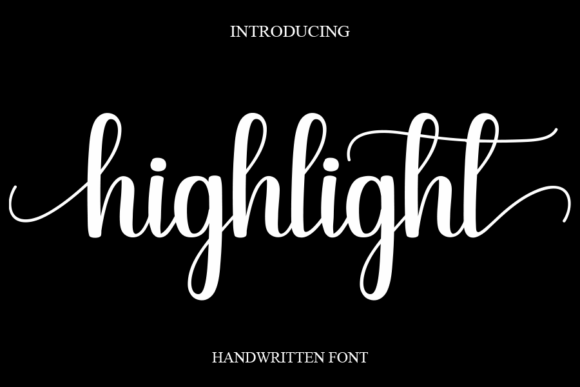
There’s a certain magic that happens when a design element feels both personal and polished. You see it in a wedding invitation that makes you smile, a logo that feels instantly friendly, or a social media post that stops your scroll. More often than not, that magic lives in the typography. A font like Highlight, a sweet and cursive handwritten font, captures this feeling perfectly. It’s a gentle, flowing typeface that brings a joyful and romantic touch to projects, making it a versatile tool for anyone looking to add a dash of elegance with a casual, approachable vibe.
A Font with Personality: More Than Just Cursive Letters
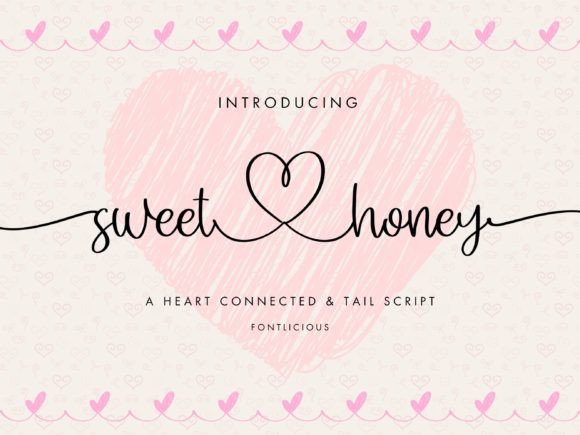
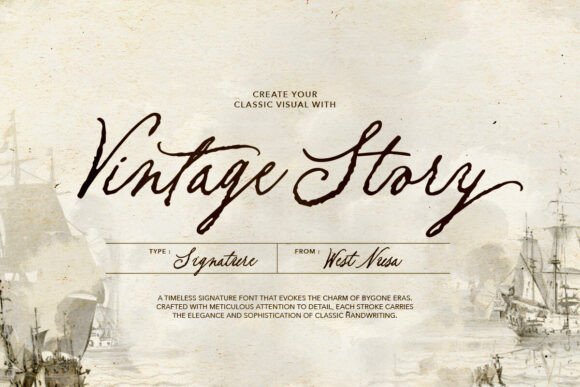
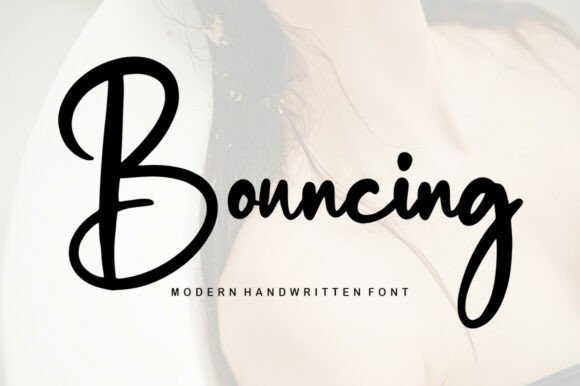
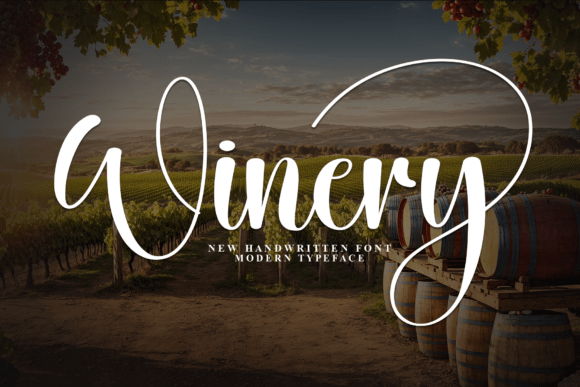
At its core, Highlight is a script font designed to mimic the fluidity of natural handwriting. Its letters connect in a way that feels organic, not forced, creating a sense of warmth and authenticity. This isn’t a rigid, formal calligraphy; it’s the kind of writing you’d find in a heartfelt note or a carefully crafted journal entry. The visual appeal lies in its balance—it’s stylish enough for professional use but retains a casual, human touch that prevents it from feeling cold or overly corporate.
This makes it an excellent choice for projects where you want to establish an emotional connection. Think about the last time a beautifully hand-lettered sign caught your eye at a local market or a boutique. That’s the kind of engagement a font like this can inspire. It’s a premium font that doesn’t shout; it whispers with charm.
Where Highlight Truly Shines: Practical Applications
The true test of any creative font is how well it performs in the real world. Highlight excels in scenarios that benefit from a personal, stylish touch. Here’s where you can put it to work effectively:
- Branding and Logo Design: For small businesses, boutiques, cafes, or personal brands, a logo set in Highlight can instantly communicate approachability and creativity. It works beautifully as the primary wordmark or as a complementary element alongside a clean sans-serif for a modern, balanced look.
- Wedding and Event Stationery: This is a natural fit. Use it for save-the-dates, invitations, place cards, and thank-you notes. The romantic cursive style sets the perfect tone for celebrations of love and joy.
- Packaging and Labels: Product packaging for artisanal goods, cosmetics, or gourmet foods can benefit from the font’s elegant yet casual feel. It suggests care and craftsmanship, helping a product stand out on a crowded shelf.
- Social Media Graphics and Marketing: Create eye-catching Instagram quotes, Facebook ad headlines, or Pinterest pins. The font’s distinct personality helps your content stand out in a fast-scrolling feed, improving brand recognition and engagement.
- Digital and Print Editorial Design: Use it for pull quotes in magazines, blog post titles, or chapter headings in a self-published book. It adds visual interest and breaks up blocks of body text, enhancing readability and guiding the reader’s eye.
- Merchandise and Apparel: From tote bags to t-shirts, a well-placed phrase in a handwritten font like this can turn a simple item into something special and desirable.
Pairing and Practicality: Using Highlight Effectively
A beautiful font can cause problems if used incorrectly. To get the most out of Highlight, consider these practical design principles.
Font Pairing is Key. Never use a script font for long paragraphs of text. Its charm comes from its decorative nature, which can reduce readability in large blocks. The best practice is to pair Highlight with a simple, highly legible typeface. A clean sans-serif font like Open Sans or Lato for body text creates a perfect, professional contrast. Alternatively, a classic serif font can add a touch of traditional elegance. This pairing ensures your design looks polished and is easy to read.
Consider the Context. Always ask: what is the goal of this project? For a formal corporate report, Highlight would be out of place. But for a bakery’s menu, a wedding website, or a lifestyle blog’s branding, it’s ideal. Matching the font’s personality to your project’s goal is a fundamental step in effective visual communication.
Test Before You Commit. Before finalizing a design, test the font at different sizes. How does it look as a large headline versus a small subheading? Check the spacing (kerning) between specific letter pairs, like “Th” or “ly,” to ensure they connect smoothly. Most premium font packages include multiple styles, such as regular, bold, or italic—explore these options to add variety and emphasis within your designs.
Licensing Matters. If you plan to use Highlight for commercial projects—like client work, merchandise for sale, or paid digital products—ensure you have the correct commercial license. This is a standard part of using design assets professionally and protects both you and the font’s creator.
Building a Cohesive Visual Identity
Typography is a cornerstone of brand identity. Consistently using a distinctive font like Highlight across your touchpoints—from your website header to your email signature to your product labels—builds instant recognition. Customers begin to associate that specific visual style with your brand’s values and personality. It transforms a simple logo or social media graphic into a memorable piece of your brand’s story.
In a world saturated with generic templates, choosing a thoughtful, high-quality typeface is a subtle but powerful way to elevate your work. It shows an attention to detail that audiences notice, even if they can’t pinpoint exactly why your design feels more professional or engaging. Highlight offers that sweet spot of creativity and clarity, making it a valuable asset for any designer, entrepreneur, or creator looking to infuse their projects with genuine warmth and style.