Speed Racing: Capturing the Thrill of the Track in Your Designs
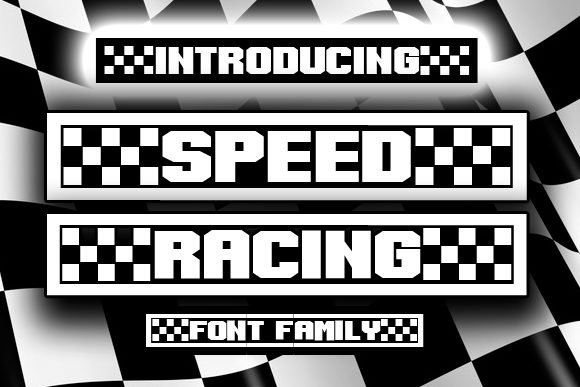
There’s an unmistakable energy to a NASCAR race. It’s in the blur of color, the roar of the crowd, and the sleek, aggressive lines of the cars themselves. That feeling of motion, precision, and high-stakes competition is a powerful visual language. For designers and creators, tapping into that language can be a game-changer, especially when you have the right tools. Speed Racing is a font built on that very premise—a sportive, dynamic decorative typeface that doesn’t just sit on the page; it moves. It’s designed for projects that need to convey power, speed, and a modern, competitive edge, making it a surprisingly versatile asset in your creative toolkit.
More Than Just a Typeface: Capturing Motion in Static Design
What makes a font like Speed Racing visually appealing isn’t simply its bold weight or sharp angles. It’s the intentionality behind its design. Each letterform is crafted to suggest forward momentum, much like the aerodynamic contours of a race car. The slight slant, the tapered strokes, and the overall condensed structure work together to create a sense of urgency and action. This isn't a neutral, background font; it's a statement piece. For a designer, this means you can instantly inject a project with a specific mood. A social media graphic for a fitness brand, a header for an automotive blog, or a logo for a tech startup focused on innovation can all benefit from this built-in dynamism. It solves a common design challenge: how to make a static element feel alive and energetic without relying on complex illustrations or animations.
Practical Applications: From Branding to the Bleachers
The true test of any premium font is its real-world utility. Speed Racing shines in contexts where impact and clarity are paramount, but it’s important to match its personality to your project’s goals.
For Brand Identity and Logo Design: If you’re developing a brand for a motorsports team, a performance auto shop, an energy drink, or even a competitive e-sports league, this typeface can form the core of your visual identity. Imagine it as the primary wordmark for a logo, instantly communicating speed and strength. Pair it with a clean, geometric sans-serif font for body text to create a balanced and professional hierarchy that ensures readability while maintaining high impact.
In Packaging and Merchandise: On a shelf or a t-shirt, first impressions are everything. Speed Racing can make a product stand out. Use it for the name of a hot sauce, the title on a skateboard deck, or the branding on a line of athletic wear. Its bold presence ensures recognition from a distance. For merchandise like hats, stickers, and posters, it translates the visceral excitement of live events into tangible goods that fans will want to own.
Across Digital and Editorial Layouts: The digital landscape thrives on grabbing attention quickly. This font is perfect for YouTube thumbnails, Instagram story headers, and website hero sections. It commands attention in a crowded feed. In editorial design, it can be used sparingly but effectively for pull quotes, chapter titles in a sports magazine, or section headers in a blog post about racing history. The key is strategic use; its power is diluted if overused in long paragraphs where a more traditional serif or sans-serif font would ensure comfortable reading.
Integrating Speed Racing into Your Workflow
Adding a new display font to your library is one thing; integrating it effectively is another. Here’s some practical advice for getting the most out of a dynamic typeface like this one.
Font Pairing is Crucial: A strong, characterful font like Speed Racing needs a reliable partner. Think of it as the lead vocalist and the rhythm section. It pairs exceptionally well with stable, clean sans-serifs like Montserrat, Roboto, or Open Sans. These provide a quiet backdrop that lets the display font’s personality shine without causing visual chaos. For a more classic contrast, a simple, readable serif like Merriweather or Lora can work, especially in editorial contexts.
Readability First: Always consider the medium. On a large poster, its condensed form is impactful. At a small size on a mobile screen, some of its nuanced details might get lost. Test your designs at the actual size they’ll be viewed. Use it for headlines, logos, and short bursts of text. For body copy, always revert to a font optimized for extended reading.
Explore the Included Styles: A good commercial font often comes with more than just the basic letters. Check if the Speed Racing package includes stylistic alternates, ligatures, or multiple weights. These extras can give you more creative control, allowing you to customize the look for different applications—perhaps a more streamlined version for a tech brand versus a more rugged one for an off-road event.
Understand the License: Before using any font in a commercial project, review the licensing. Ensure the license covers your intended use—whether it’s for client work, merchandise for sale, or digital products. Most premium font licenses are straightforward, but it’s a professional courtesy and a legal necessity to adhere to the terms.
Aligning Typography with Your Project’s Core Message
Ultimately, choosing a font is a strategic decision. Speed Racing isn’t just about looking cool; it’s about communicating a specific set of values: performance, agility, and forward-thinking momentum. Before you apply it, ask yourself: does my project embody these traits? If you’re designing for a calm yoga studio or a vintage bakery, it might not be the right fit. But for a CrossFit gym, a racing game, a startup disrupting an industry, or a blog covering the latest in tech innovation, it could be the perfect visual metaphor. It helps bridge the gap between what your project is about and how it feels at first glance, strengthening brand recognition and audience engagement through thoughtful, consistent visual communication. In a world saturated with generic templates, a distinctive typeface is one of the simplest ways to carve out a unique and memorable identity.