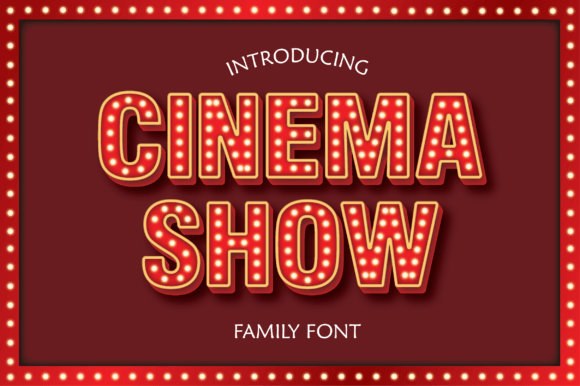
Cinema Show: A Font That Brings Vintage Charm to Modern Designs
There’s something undeniably magnetic about the typography of classic movie marquees, vintage ticket stubs, and old Hollywood glamour. It carries a sense of drama, elegance, and storytelling before a single word is even read. If you've ever wanted to capture that feeling in your own projects, the Cinema Show font is a design asset that deserves your attention. It’s a cool and unique decorative font that channels the golden age of cinema, offering a distinct personality that can elevate a wide range of creative work.
Understanding the Cinema Show Typeface
At its core, Cinema Show is a premium display font. This means it’s crafted for impact and is best used for headlines, logos, and short bursts of text rather than body copy. Its visual appeal lies in its elegant serif structure, often featuring subtle art deco influences, dramatic curves, and a balanced weight that feels both luxurious and approachable. Think of the refined lettering on a 1940s film poster or the sophisticated title card of a classic noir movie. That’s the essence of Cinema Show.
What makes it a valuable addition to any designer's library is its versatility within its stylistic lane. It’s not just a single-note font. A quality release like this will typically include a full set of uppercase and lowercase letters, numbers, punctuation, and often stylistic alternates or ligatures. These extra characters allow you to customize the look, swapping out a standard ‘A’ for one with a more decorative swash, for example. This flexibility means you can fine-tune the typography to perfectly match the mood of your project, ensuring your brand identity feels considered and unique.
Practical Applications for Brands and Creators
The true test of any creative font is how it performs in real-world scenarios. Cinema Show’s character makes it particularly effective for projects that need to convey quality, nostalgia, or a touch of sophistication. Here’s how you can put it to work:
- Brand Identity and Logo Design: For businesses in the entertainment, hospitality, or luxury goods sectors, this typeface can form the cornerstone of a memorable logo. A boutique hotel, a craft cocktail bar, a vintage clothing brand, or a film production company could use Cinema Show to instantly communicate their aesthetic. It helps build strong brand recognition by giving your visual identity a consistent and evocative voice.
- Packaging and Merchandise: Imagine this font on a coffee bag label, a bottle of artisanal gin, or a box of gourmet chocolates. It adds a layer of perceived value and craftsmanship. For merchandise like t-shirts, tote bags, or posters, Cinema Show can create designs that people want to wear and display, turning customers into brand ambassadors.
- Editorial and Print Design: In the world of publishing, a striking headline is everything. Use this serif font for magazine covers, book titles, chapter headings, or event posters. It commands attention and sets the editorial tone, making your layouts feel more professional and engaging. Its strong presence also works beautifully for wedding invitations, gala programs, or theatre playbills.
- Digital Presence and Marketing Assets: Your website’s hero section, blog post titles, and social media graphics are prime real estate for impactful typography. Using Cinema Show for key headlines on your site can dramatically improve the first impression. On platforms like Instagram or Pinterest, it can make your quote graphics, announcement posts, and promotional banners stand out in a crowded feed, boosting audience engagement.
Making Cinema Show Work for You: A Practical Guide
Integrating a new display font into your workflow is about more than just liking how it looks. To ensure it enhances your project’s professionalism and readability, consider these practical tips.
Pairing for Balance and Readability
A decorative font like Cinema Show is the star of the show, but it needs a supporting cast. The key to successful font pairing is contrast. Since Cinema Show has a strong personality, pair it with a clean, simple sans-serif font for body text. A classic like Helvetica, Arial, or a modern geometric sans-serif will provide a clear visual hierarchy, ensuring your main headlines pop while your paragraphs remain easy to read. Avoid pairing it with another ornate or script font, as this will create visual clutter and harm readability.
Context is Everything
Always consider your project’s goals and audience. Cinema Show is perfect for a music festival poster, but it might not be the best choice for a corporate financial report. Test it in context. Mock up your design to see how the font feels alongside your color palette, imagery, and overall brand message. Does it communicate the right emotion? Does it align with your target audience’s expectations? A font for a children’s party planner will have a different vibe than one for a high-end steakhouse, even if both use a similar typeface style.
Leveraging All the Features
Take the time to explore the full character map of the font you purchase. As mentioned, premium fonts often include OpenType features. Experiment with the stylistic alternates to see if a different letterform for ‘g’ or ‘R’ better suits your design. Using ligatures—where two or more letters are joined into a single character—can also add a custom, polished look to your text. These small details are what separate good design from great design.
Licensing for Commercial Confidence
Before using any font in a commercial project, always verify the licensing terms. Reputable font marketplaces and foundries provide clear licenses that specify what you can and cannot do. Most standard licenses cover use in logos, websites, and printed materials, but if you plan to use the font in software, apps, or for large-scale merchandise production, you may need an extended license. Understanding these terms upfront protects your business and ensures you’re using the design assets legally and ethically.
Elevating Your Visual Communication
Ultimately, typography is a powerful tool for visual communication. The right typeface does more than just display words; it conveys tone, builds trust, and tells a story. Cinema Show offers a specific and compelling narrative—one of classic style, dramatic flair, and timeless appeal. By thoughtfully integrating it into your branding, marketing materials, or creative projects, you’re not just choosing a font. You’re making a strategic decision to enhance your professional presentation, create a more consistent brand identity, and connect with your audience on a more emotional level. It’s a versatile design asset that, when used with care, can truly help your work stand apart.