Circus Font: The Bold Typeface for Unforgettable Branding
There’s something magnetic about the vintage carnival aesthetic. The bold stripes, the dramatic flourishes, the sense of spectacle—it’s a visual language that instantly communicates fun, excitement, and a touch of nostalgia. For designers and business owners, capturing that energy in a project can be a challenge. A standard, clean typeface often falls flat when you need to evoke the grandeur of a big top or the whimsy of a midway. This is where a specialized display font like Circus becomes an invaluable tool in your creative arsenal, offering a direct line to that theatrical, attention-demanding spirit.
More Than Just a Typeface: Capturing a Vibe
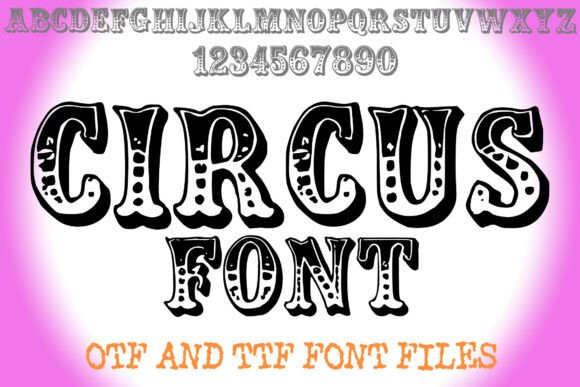
At its core, Circus is a vintage-inspired decorative typeface. But that description only scratches the surface. What makes it visually compelling is its combination of ornate detailing and quirky, confident proportions. The letters aren’t just shaped; they’re performed. Each character carries a sense of movement and personality, reminiscent of hand-painted posters and letterpress prints from a bygone era of entertainment. This isn’t a font that whispers; it announces. It’s designed to be the visual centerpiece, making it a powerful creative font for projects that need to stand out in a crowded marketplace.
The true value of a premium font like this lies in its ability to do the heavy lifting for your brand’s visual identity. Instead of spending hours trying to force a generic typeface to feel exciting, you start with a foundation that already embodies the emotion you’re targeting. Whether you’re designing a logo for a new entertainment venue, creating packaging for a gourmet popcorn brand, or crafting social media graphics for a festival, the font sets the tone immediately. It helps build brand recognition by creating a consistent and memorable visual hook that audiences can associate with your unique experience.
Practical Applications: Where This Font Truly Shines
Understanding the right context for a bold typeface is key to using it effectively. Its high-impact nature means it’s not suited for body text, but it excels in roles where headline impact is paramount. Think of it as the star performer in your typographic lineup, supported by a more understated cast.
- Logo and Brand Identity: For businesses in entertainment, food service, or event planning, a Circus-inspired font can become the cornerstone of a brand identity. It’s particularly effective for logos that need to be recognizable at a glance, such as for a circus-themed restaurant, a vintage amusement park, or a boutique event company.
- Packaging Design: On shelf or online, packaging needs to grab attention in seconds. This font style can make a product feel special and artisanal. Imagine it on a box of caramel corn, a bottle of craft soda, or a bag of kettle chips—it instantly communicates a playful, premium quality.
- Posters and Invitations: This is the font’s natural habitat. Whether it’s for a community theater production, a corporate carnival-themed gala, or a child’s birthday party, it brings an authentic sense of occasion and excitement to print materials and digital invites.
- Digital Presence: In web design and social media graphics, a striking headline font can dramatically increase engagement. Use it for hero section titles, YouTube thumbnails, Instagram story banners, or sale announcements. It cuts through the digital noise and encourages clicks and shares.
- Merchandise and Editorial: From t-shirts and tote bags to the cover of a magazine or a chapter title in a book, this font adds a layer of visual interest and personality that elevates the entire product.
Integrating the Spectacle: Smart Font Pairing and Usage
The power of a decorative typeface comes with a responsibility to maintain readability and balance. Using it for every line of text would overwhelm the viewer. The key is strategic deployment. For most applications, pair the Circus font with a clean, neutral sans serif font or a classic serif font for body copy. This contrast ensures your headlines pop while your supporting text remains easy to read.
Before finalizing your design, always test your font pairing. Does the combination feel harmonious or chaotic? The goal is to create a visual hierarchy where the Circus font guides the eye to the most important information, and the secondary font delivers the details. Also, consider the specific style within the font family. Many display fonts come with variations—perhaps a regular, bold, or outline version. Reviewing these included styles gives you more flexibility to create layered designs without introducing another competing typeface.
Finally, a crucial step for any commercial project is to verify the licensing. A commercial font license ensures you have the legal right to use the typeface in your logo, on products for sale, and in client work. Investing in properly licensed design assets protects your business and supports the type designers who create these tools. By thoughtfully integrating a font like Circus, you’re not just choosing letters; you’re adopting a mood, a history, and a powerful tool for visual communication that can help your project resonate deeply with its intended audience.