Patchwork Embroidery: A Typeface with Hand-Stitched Soul
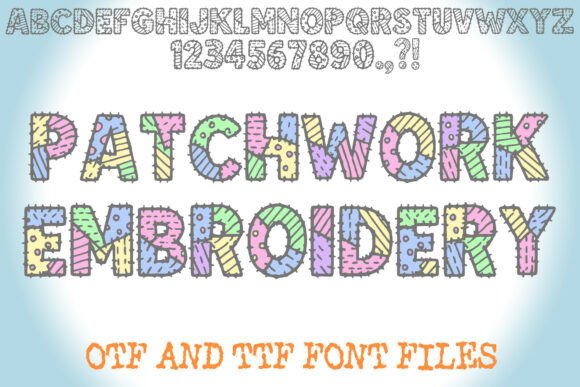
There’s something deeply comforting about the look of hand-stitched fabric—the slight irregularity of the thread, the warmth of layered colors, the feeling that a real person made this with care. That tactile, homespun quality is exactly what the Patchwork Embroidery typeface captures. It’s not just a font; it’s a visual texture, a digital nod to the craft of quilting and folk art that immediately adds personality and warmth to any project it touches.
Imagine each letterform as a small, colorful patch of fabric, sewn together with visible stitch lines. The design embraces charming imperfection, with layered textures and patch-style color blocking that make the characters feel collected and crafted rather than mechanically produced. This isn't a font for corporate reports or legal documents. It’s a display font with a specific, joyful purpose: to bring a cozy, handmade feel to digital and print designs where storytelling, whimsy, and charm are the goals.
Where This Playful Font Truly Shines
The real value of a specialty font like Patchwork Embroidery lies in knowing where its personality fits best. Its hand-drawn aesthetic and textile-inspired look make it a natural partner for projects that want to evoke creativity, nostalgia, or a DIY spirit. Think beyond just making something "look cute." Consider how its unique texture can communicate your brand’s values or set a specific mood.
- Craft & Maker Branding: For a small business selling handmade goods, quilting supplies, or artisan fabrics, this font isn't just a logo choice—it's a brand ambassador. It instantly tells your story before a customer reads a word.
- Packaging & Labels: Use it for product names on jars of homemade jam, tags for knitted scarves, or boxes for craft kits. It adds perceived value and signals the product inside is made with care.
- Invitations & Event Materials: Perfect for baby showers, craft fairs, garden parties, or DIY wedding invitations. It sets a festive, personal tone that standard fonts can't match.
- Children’s Media & Editorial Design: In book titles, chapter headings, or magazine features about family crafts, it adds a layer of playful, approachable storytelling.
- Social Media & Digital Content: Use it for Instagram post headlines, Pinterest graphics promoting a tutorial, or YouTube thumbnails for a crafting channel. Its visual richness stops the scroll.
Pairing for Professional Impact
A font with this much character needs a thoughtful partner. Pairing it with a clean, neutral typeface is key to maintaining readability and a professional presentation. You wouldn't want every piece of text in Patchwork Embroidery; it's designed for impact in headlines, logos, and short phrases.
Try combining it with a simple sans serif font for body text. The clean lines of a font like Lato or Open Sans will provide a calm, readable foundation that lets the patchwork details pop without overwhelming the viewer. For a more traditional or rustic feel, a sturdy serif font like Merriweather or Libre Baskerville can work beautifully, creating a contrast between the handcrafted display and classic editorial style.
The goal is visual consistency. Your headline font and body font should feel like they belong to the same design family, even if they’re very different. Patchwork Embroidery brings the whimsy and texture; its partner should bring clarity and calm. Test your pairings by viewing them at different sizes and on various screens to ensure the display font remains legible as a header and the body text stays comfortable to read.
Making It Work for Your Brand Identity
Incorporating a distinctive font like this into your brand identity is a strategic move. It’s about more than just liking how it looks. Ask yourself: Does this typeface align with my brand's voice? If your brand communicates warmth, creativity, authenticity, and a hands-on approach, then Patchwork Embroidery could be a powerful asset. It helps with brand recognition—when customers see that unique stitched texture, they’ll immediately associate it with your business.
Remember, its best use is as a display font for limited, high-impact applications. Use it for your logo, main website banner, or the title on your packaging. Then, let your chosen serif or sans serif handle the rest. This strategy ensures your professional presentation is balanced, with moments of delightful emphasis rather than constant visual noise. Always consider readability considerations; while it’s charming, it may not be ideal for long paragraphs or small body copy.
A Design Asset with Practical Considerations
Before you dive in, a few practical notes on using this creative font effectively. First, review all the included characters and styles. A good display font often includes alternates, ligatures, or additional glyphs that can add even more variety to your designs. Explore what’s in the OTF and TTF files you receive.
Second, think about your medium. The layered, textured look of Patchwork Embroidery translates beautifully to high-resolution screens and quality print. However, be mindful if you’re using it for very small text on digital platforms or low-resolution prints, where the intricate stitch details might become muddy. Always do a test print or screen preview.
Finally, commercial licensing is a crucial checkpoint. Ensure the license that comes with your font purchase covers your intended use—whether that’s for a client project, merchandise for sale, or a digital product you plan to distribute. Using a premium font correctly protects you legally and supports the designers who create these unique design assets.
Ultimately, Patchwork Embroidery is more than a set of letters. It’s a tool for adding a specific emotional texture to your work. Used thoughtfully, it can transform a standard project into something that feels personal, crafted, and full of story. It’s an invitation to bring the cozy, imperfect beauty of handmade art into your digital world.