Huma: A Celtic-Inspired Font for Heritage Branding
There’s a particular feeling you get when a design captures the spirit of a place—a sense of history, magic, and identity woven into every line. For projects rooted in Irish culture or the timeless allure of Celtic artistry, finding a typeface that embodies that essence without resorting to clichés is a genuine challenge. That’s where a carefully crafted decorative font like Huma steps in, offering a bridge between ancient symbolism and contemporary design needs.
The Allure of Celtic Design in Modern Typography
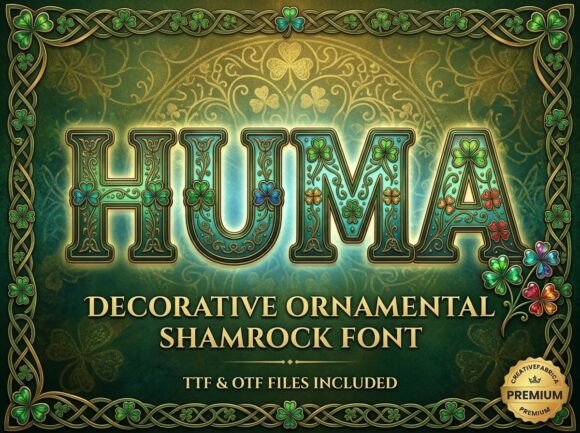
Celtic art is renowned for its intricate knots, flowing lines, and symbolic depth. Translating that visual complexity into a functional typeface requires a delicate balance. Huma achieves this by drawing inspiration from these historical motifs, transforming them into letterforms that feel both authentic and fresh. The font isn’t just a set of letters; it’s a visual narrative. Its lush teal-to-gold gradient isn’t merely decorative—it evokes the rolling green hills and golden sunlight of the Irish landscape, creating an immediate emotional connection for those familiar with the culture and a striking aesthetic for everyone else.
What sets this typeface apart is its hand-painted quality. Each character features subtle variations and textures that mimic the work of a skilled artisan, moving far beyond the sterile perfection of many digital fonts. This approach gives designs a human touch, a sense of craftsmanship that can elevate a project from merely professional to truly memorable. The integrated shamrock motifs are handled with a light touch, serving as elegant flourishes rather than overpowering elements. This makes Huma a versatile tool for a range of applications, from the celebratory exuberance of St. Patrick’s Day branding to the refined elegance of Celtic jewelry packaging.
Practical Applications for a Distinctive Typeface
So, where does a font with this much personality actually work? The key is matching its character to the project’s goals. Think of Huma as a specialty tool in your design toolkit—not for body text in a lengthy report, but for moments where impact and cultural resonance are paramount.
Brand Identity & Logo Design: For businesses with a clear connection to Irish heritage—like an artisan pub, a boutique selling Celtic crafts, or a travel agency specializing in Ireland—Huma can become the cornerstone of a brand identity. Used in a logo, it instantly communicates tradition and authenticity. Pairing it with a clean, modern sans-serif for body text creates a beautiful contrast, letting the primary typeface shine without sacrificing readability.
Packaging & Print Materials: Imagine a high-end tea brand with an Irish cream flavor, or a premium whiskey label. Huma’s elegant display style makes it perfect for packaging design where shelf appeal is everything. It tells a story before the product is even opened. The same principle applies to event posters for cultural festivals, gala invitations for Irish-American societies, or menus for a themed restaurant. The font does much of the thematic heavy lifting.
Digital Presence & Social Media: In the crowded digital space, a distinctive header font can stop the scroll. Using Huma for blog post titles, website hero sections, or social media graphics (like Instagram story headers or Pinterest pins) adds a layer of sophistication and thematic consistency. It helps create a cohesive visual language across platforms, strengthening brand recognition. For content creators or bloggers focusing on heritage, travel, or cultural topics, it’s a way to visually underscore their niche.
Integrating Huma into Your Design Workflow
Adopting a new premium font involves more than just installation. To use it effectively, consider these practical steps:
- Test Font Pairings: Huma’s ornate nature demands a supportive partner. Test it alongside simple serif fonts for a classic feel or geometric sans-serifs for a modern contrast. The goal is balance; the secondary font should be highly legible for longer text, allowing Huma to command attention in headlines and logos.
- Review All Included Styles: A quality commercial font often comes with more than just the base letters. Check if Huma includes stylistic alternates, ligatures, or additional ornament sets. These features can add further customization and uniqueness to your designs, allowing you to tailor the typography precisely to your vision.
- Prioritize Readability: While Huma is designed for display, always test its legibility at the intended size and medium. A font that looks magnificent on a computer screen might need adjustments for a small print caption. Ensure there’s sufficient contrast and spacing, especially when used over images or colored backgrounds.
- Consider Commercial Licensing: If you’re using the font for client work, merchandise for sale, or widespread marketing campaigns, verify the licensing terms. A reputable premium font will provide clear guidelines, ensuring your project is legally sound and supporting the type designer’s work.
Ultimately, the most effective typography serves the message. Huma excels when the message is one of heritage, celebration, and crafted beauty. It’s not a font for every project, but for the right one, it can be the element that transforms a good design into a great one, infusing it with the luck and legacy of the Emerald Isle. By thoughtfully integrating its unique character into your branding, packaging, or digital content, you create visual experiences that resonate on a deeper level with your audience.