Sebastian: A Font That Captures the Magic of the Stage
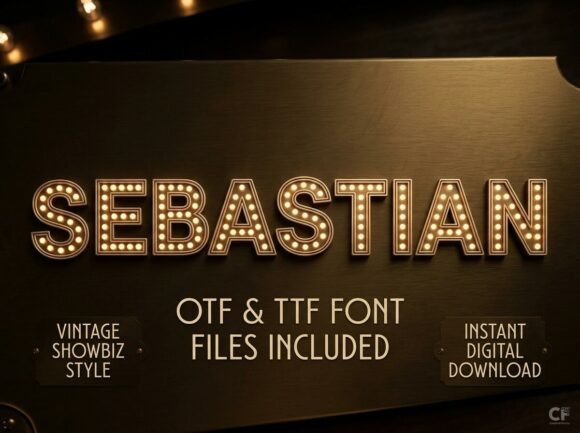
There's something undeniably magnetic about a classic Broadway marquee. The bold, illuminated letters against a dark night sky promise excitement, drama, and a touch of old-school glamour. This is the exact feeling the premium display font Sebastian is designed to evoke. More than just a typeface, it's a visual experience—a blocky, confident silhouette embedded with the realistic dots of classic stage lightbulbs. For designers and brand builders, it offers a direct line to that vintage show-business aesthetic, transforming ordinary text into a centerpiece that demands attention.
More Than Letters: Understanding the Sebastian Aesthetic
At its core, Sebastian is a bold, all-caps display font. Its structure is thick and substantial, ensuring high impact even at smaller sizes. The true magic, however, lies in the intricate detailing. Each character is crafted with a texture that mimics the individual lightbulbs of a theater marquee sign. This isn't a flat graphic; it's a nuanced design asset that suggests light, depth, and a tangible, crafted quality. The personality it brings is unmistakable: confident, nostalgic, and celebratory. It doesn't whisper; it announces.
This makes it an exceptional choice for projects where the goal is to create a strong first impression. Think of it as the typographic equivalent of a spotlight. It's not the font you'd use for a lengthy body of text, but it's precisely what you need for a headline that should stop someone mid-scroll or a logo that needs to convey prestige and entertainment value at a glance.
Where Sebastian Truly Shines: Practical Applications
Understanding a font's character is one thing; knowing where to deploy it is where the real value lies for creators and entrepreneurs. Sebastian's theatrical nature makes it surprisingly versatile across specific, high-impact applications.
- Theater & Event Branding: This is its native environment. For playbills, festival posters, concert promotions, or gala invitations, Sebastian provides instant thematic cohesion. It sets the tone before the audience reads a single word of copy.
- Logo Design & Brand Identity: For businesses in the entertainment, hospitality, or creative arts sectors—like a jazz lounge, a vintage cinema, a dance studio, or a high-end event planning company—a logo set in Sebastian can become the cornerstone of a memorable brand identity. It communicates a specific vibe with efficiency.
- Packaging & Merchandise: Imagine the label on a limited-edition craft beer, the packaging for a gourmet popcorn brand, or the front of a retro-style t-shirt. Sebastian adds a layer of perceived quality and nostalgia, making products feel special and collectible.
- Digital Presence & Social Media: In the crowded space of social media graphics, a Sebastian header on an Instagram post or a YouTube thumbnail can significantly boost engagement. It works beautifully for blog titles, website hero sections, and digital product covers where you want to create a "wow" moment.
- Print & Editorial Layouts: Use it for chapter titles in a book, section headers in a magazine, or standout pull quotes. In editorial design, it can break up text-heavy pages and inject visual energy, guiding the reader's eye to key content.
Pairing Sebastian: Creating Harmony in Your Designs
A powerful display font like Sebastian rarely works alone. The key to professional-looking design is thoughtful font pairing—combining typefaces that complement rather than compete. Sebastian's strong personality means it needs a more subdued partner for body text or supporting information.
For a classic, timeless look, pair it with a clean serif font. The traditional elegance of a serif provides a sophisticated counterbalance to Sebastian's bold, decorative style. If you're aiming for a more modern or minimalist aesthetic, a simple sans serif font works wonders. The clean lines and ample white space of a sans serif allow Sebastian's intricate details to stand out without visual clutter.
A practical tip: always test your pairings in context. Create a mockup of your project—a fake social media post, a draft of your logo, a sample business card—to see how the fonts interact in terms of size, spacing, and color. The goal is a harmonious hierarchy where Sebastian commands attention for headlines, and the supporting font ensures readability for longer passages.
Making the Right Choice: Considerations Before You Commit
Choosing a creative font is a strategic decision. Before integrating Sebastian into a major project, a few practical checks are worthwhile. First, review the full character set. Does it include all the punctuation and special characters you need? Does it offer multiple styles, like regular and bold, for added flexibility? Most premium fonts will provide this information upfront.
Second, consider readability. While Sebastian is designed for impact, its decorative nature means it's best used for short bursts of text—titles, headers, logos. For any text that needs to be read easily at length, always revert to a highly legible body font. This contrast is what creates a dynamic and user-friendly design.
Finally, clarify the licensing. For any commercial font, ensure the license covers your intended use, whether it's for a client project, merchandise for sale, or digital products. A reputable font provider will make this information clear, giving you peace of mind to use your new design asset to its full potential.
In a landscape saturated with generic typefaces, Sebastian offers a distinct voice. It’s a tool for designers and creators who want to inject personality, nostalgia, and a sense of occasion into their work. By using it strategically and pairing it wisely, you can leverage its vintage charm to build stronger visual narratives and more engaging brand experiences. It’s not just a font; it’s a statement piece for your creative toolkit.