Anton: A Display Font That Commands Attention
There’s a moment in every design project when the typography either clicks into place or throws everything off balance. You’ve got the layout, the color palette, the imagery—all working together—and then the typeface you choose either elevates the whole thing or makes it feel disjointed. That’s where a font like Anton steps in. It’s bold, it’s clean, and it carries a presence that’s hard to ignore. Whether you’re working on a poster for a local event, packaging for a new product, or a social media campaign that needs to stop the scroll, Anton delivers visual punch without sacrificing clarity.
What Makes Anton Stand Out in a Crowded Font Library
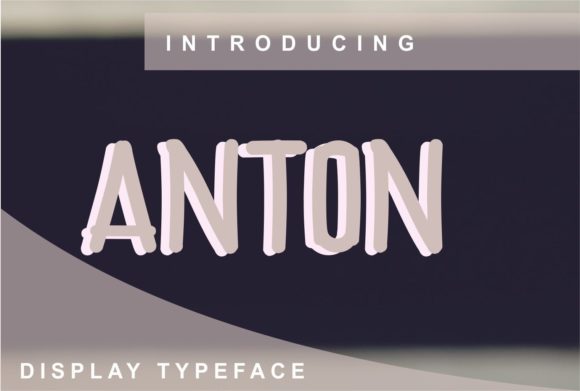
Anton is a display typeface, which means it’s designed specifically for headlines, titles, and short bursts of text that need to grab attention fast. Unlike body text fonts that prioritize readability at small sizes over long paragraphs, display fonts like Anton are built to make an impression at larger scales. The letterforms are geometric, with consistent stroke widths and a modern, slightly condensed structure. There’s a neutrality to it that works in its favor—it doesn’t carry a heavy stylistic fingerprint that locks it into one era or aesthetic. Instead, it adapts. You can use it for a sleek tech startup logo and then turn around and apply it to a vintage-inspired concert poster, and it feels right in both contexts.
One thing worth noting is how Anton handles whitespace. The characters are designed with generous counter spaces—the open areas inside letters like “o,” “e,” and “a”—which keeps text legible even when the font is used at dramatic sizes. This is a practical detail that matters when you’re printing a banner or designing a billboard where text needs to read from a distance. It also means Anton holds up well in digital environments where screens vary in resolution and size.
Real-World Applications Across Industries
Think about the last time a piece of marketing caught your eye. Chances are, the typography played a significant role. Anton works exceptionally well in contexts where you need text to function as a visual element in its own right. Here are some specific scenarios where it shines:
- Logo design and brand identity: If you’re building a brand from scratch or refreshing an existing one, Anton can serve as the foundation of your wordmark. Its clean geometry pairs well with minimalist brand systems, and its boldness ensures the logo remains recognizable at small sizes—think app icons or favicon dimensions.
- Packaging design: On shelf, packaging has about three seconds to communicate what a product is and who it’s for. Anton’s straightforward letterforms make it easy to read product names and key messaging without visual clutter. It works particularly well for food and beverage brands, cosmetics, and lifestyle products that lean into a contemporary aesthetic.
- Social media graphics: Platforms like Instagram and TikTok reward bold, high-contrast visuals. Anton’s thick strokes and tight spacing create text that pops against busy backgrounds or photographic imagery. Use it for quote graphics, sale announcements, or story overlays where you need the message to land instantly.
- Poster and flyer design: This is arguably Anton’s natural habitat. Event posters, promotional flyers, and print advertisements benefit from a typeface that can dominate the page without feeling aggressive. Anton strikes that balance—it commands space without overwhelming the surrounding design elements.
- Web design and blogs: While Anton isn’t meant for body copy, it works beautifully for hero sections, landing page headlines, and section titles. Pair it with a clean sans serif or a readable serif font for paragraph text, and you’ve got a typographic hierarchy that guides the reader’s eye naturally.
- Merchandise and apparel: T-shirts, tote bags, mugs—any product where text is part of the design benefits from a font that reads clearly at a glance. Anton’s simplicity makes it versatile enough for both single-word designs and short phrases.
- Invitations and editorial layouts: Wedding invitations, event programs, magazine covers, and book jackets all require typefaces that feel intentional. Anton brings a modern edge to editorial design without feeling trendy in a way that will date quickly.
Building Visual Consistency Across Touchpoints
One of the most overlooked aspects of branding is typographic consistency. When a business uses one font on its website, another on its invoices, and a completely different one on its social media, the result is a fragmented brand experience. Customers may not consciously notice the inconsistency, but it subtly undermines trust and professionalism. Anton, as part of a broader font system, can anchor your visual identity across multiple channels.
Imagine using Anton for all headline text—website banners, email subject lines, printed materials—while pairing it with a complementary body font. Suddenly, every piece of communication feels cohesive. The audience starts to associate that typographic style with your brand, which strengthens recognition over time. This is especially valuable for small businesses and solopreneurs who may not have a full design team but still want to present a polished, unified image.
Readability is another factor that ties into consistency. Anton’s design prioritizes clarity, which means your messaging comes through without the audience having to squint or re-read. In marketing, that’s non-negotiable. If someone can’t read your call to action in two seconds, you’ve lost them. Anton’s open letterforms and balanced proportions ensure that doesn’t happen.
Pairing Anton with Other Typefaces
No font exists in isolation. The real magic happens when you start experimenting with font pairings—combining two or three typefaces that complement each other and create visual interest. Anton, being a bold display font, naturally pairs well with lighter, more understated typefaces for body text. Here are a few practical approaches:
- Anton + a clean sans serif: Fonts like Open Sans, Lato, or Roboto provide a neutral counterpoint to Anton’s boldness. This combination works well for websites, presentations, and corporate materials where professionalism is key.
- Anton + a serif font: Pairing a modern display font with a classic serif like Merriweather or Playfair Display creates a sophisticated contrast. This is a strong choice for editorial layouts, book covers, and luxury branding.
- Anton + a handwritten or script font: For designs that need a personal, approachable feel—think wedding invitations, boutique packaging, or lifestyle blogs—adding a script font alongside Anton introduces warmth without sacrificing structure.
The key to successful pairing is contrast in weight and style, but similarity in mood. Anton is confident and contemporary, so the fonts you pair it with should share that sensibility even if they differ in form. Always test your pairings in context—mock up a real headline and paragraph, check how they look on both screen and print, and adjust sizing and spacing until the relationship feels balanced.
Licensing and Practical Considerations
Before you commit to any font for a commercial project, it’s worth understanding the licensing terms. Anton is available through Google Fonts under an open-source license, which means you can use it freely for both personal and commercial projects. That’s a significant advantage for freelancers, startups, and anyone working with a tight budget. You get access to a professional-grade typeface without the cost that typically comes with premium fonts.
That said, always double-check the specific license associated with any font you download, especially if you’re purchasing from a marketplace or foundry. Some fonts come with restrictions on usage in digital products, merchandise, or broadcast media. Knowing the terms upfront saves you from headaches later.
When incorporating Anton into your workflow, take the time to explore the full character set. Many display fonts include alternate characters, ligatures, or extended language support that can add nuance to your designs. Even if you don’t use these features immediately, knowing they’re available gives you more creative flexibility down the road.
Making the Most of a Versatile Design Asset
At the end of the day, a font is a tool—and like any tool, its value depends on how you use it. Anton’s strength lies in its adaptability. It doesn’t try to be everything; instead, it excels at what it’s designed for: making text impossible to ignore. Whether you’re a designer building out a brand system, a small business owner creating marketing materials on a budget, or a content creator looking for typography that translates well across platforms, Anton offers a reliable foundation.
Experiment with it. Try it at different sizes. Test it against your existing color palette. Set a headline in Anton and see how it changes the energy of your layout. Sometimes the right typeface doesn’t just complete a design—it redefines it. And in a landscape where visual communication happens faster than ever, having a font that works as hard as you do makes all the difference.