Dusty Cowboy: The Western Font That Brings Authenticity to Your Brand
There's something undeniably magnetic about the American West—the grit, the open range, the sense of adventure baked into every dusty trail. When you're designing for a brand or project that wants to channel that energy, generic fonts just won't cut it. You need a typeface that feels like it's been weathered by sun and saddle leather, one that carries the weight of frontier history in every letterform. That's exactly what this Western-inspired display font delivers, and it's worth understanding why it resonates so powerfully with audiences.
What Makes This Typeface Stand Out in a Crowded Font Market
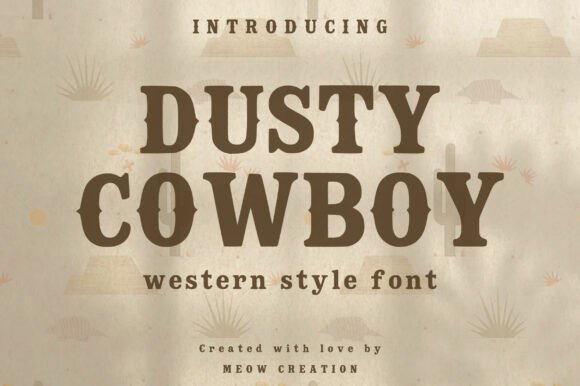
Most display fonts fall into predictable categories—either they're overly stylized to the point of being illegible, or they're so restrained that they fail to make an impression. This particular design strikes a rare balance. The letterforms have that unmistakable boldness you'd expect from vintage Western typography, with slightly condensed proportions and subtle serifs that suggest hand-painted saloon signage. But unlike many novelty fonts, it maintains strong readability even at smaller sizes, which matters more than people realize when you're actually applying a font across multiple touchpoints.
The character set includes authentic details—think slightly uneven baseline shifts, weathered edges on certain glyphs, and numerals that feel pulled from a wanted poster. These aren't decorative flourishes for the sake of novelty. They serve a purpose: creating immediate visual context. The moment someone sees text set in this typeface, they understand the brand's personality before reading a single word. That kind of instant recognition is invaluable in logo design and brand identity work.
Where This Font Truly Shines: Real Applications
Let's talk about where designers and business owners are actually using this style of typography, because the applications go far beyond what you might initially imagine.
Branding and Logo Design is the most obvious starting point. If you're building a brand identity for a craft distillery, a rodeo event, a Western wear company, or even a barbecue restaurant, this typeface gives your logo instant credibility within that aesthetic space. It pairs beautifully with simple sans serif fonts for body copy, creating a hierarchy that feels intentional rather than chaotic.
Packaging design benefits enormously from this kind of character-driven typography. Think about craft beer labels, hot sauce bottles, jerky packaging, or artisan coffee bags. Consumers make split-second decisions at the shelf, and a font that communicates "handcrafted authenticity" before they've even picked up the product gives you a real competitive edge.
Merchandise and apparel represent another natural fit. T-shirt designers know that typography sells—people wear words that reflect their identity. A Western-inspired display font works perfectly for ranch logos, rodeo event shirts, country music merch, and lifestyle brands targeting outdoor enthusiasts. The bold weight ensures designs pop from a distance, which matters when someone's browsing a vendor booth or scrolling through an online store.
Social media graphics and digital marketing might seem like an unlikely pairing, but consider this: platforms are saturated with clean, minimalist sans serif posts. Standing out sometimes means going against the grain. A Western-styled header on an Instagram carousel or a bold title treatment on a YouTube thumbnail immediately differentiates your content from the scroll. Country music artists, outdoor lifestyle influencers, and Western heritage brands use this approach to build cohesive visual feeds that stop thumbs.
Event materials and invitations deserve special mention. Whether it's a barn wedding, a corporate rodeo fundraiser, a county fair, or a themed birthday party, the invitation sets the tone. This typeface delivers that "you're in for something special" feeling the moment the envelope opens—or the digital invite loads. Pair it with kraft paper textures and muted earth tones for maximum impact.
Signage and environmental graphics round out the practical applications. Ranch entrance signs, bar and restaurant menus, festival banners, and retail displays all benefit from typography that feels permanent and established. There's a reason Western-themed businesses have thrived for decades using this visual language—it communicates reliability, tradition, and character.
Making It Work: Practical Typography Advice
Having a great font is only half the equation. Knowing how to use it effectively separates amateur work from professional presentation.
Font pairing is everything. A display font this characterful needs a quieter partner for body text. Clean sans serif fonts like Montserrat, Lato, or even a simple serif like Georgia create beautiful contrast without competing for attention. The rule of thumb: if your headline font has personality, your body font should have restraint. This contrast actually makes both fonts look better.
Readability always wins. Even with a display font, resist the urge to set long passages in it. Use it for headlines, subheadings, logos, and short callouts. Anything longer than a sentence should transition to your secondary typeface. Your audience will thank you, and your designs will feel more polished.
Consider the weight and style options. Premium fonts often include multiple weights, alternates, or stylistic sets. Before starting a project, explore the full character map. You might discover alternate letterforms that better suit your specific application, or a condensed version that solves a spacing problem in your layout.
Test at multiple sizes. A font that looks stunning at 72 points on your monitor might lose its charm at 14 points on a business card. Always preview your typography at the actual output size before committing. This simple step prevents costly reprints and disappointing results.
Licensing matters more than you think. If you're using a font for commercial purposes—selling merchandise, creating client work, or building a business brand—make sure your license covers that use. Most premium fonts come with clear commercial licensing, but it's worth reading the terms. Using unlicensed fonts in commercial projects creates legal liability that no design is worth.
Building a Consistent Brand Identity Around Strong Typography
Consistency is the backbone of brand recognition. When your audience sees your typography across your website, your social channels, your packaging, and your physical materials, they build mental shortcuts. They start recognizing your brand before they even read your name. Choosing a distinctive typeface like this Western-inspired display font and committing to it across your visual ecosystem creates that consistency.
This doesn't mean every piece of content needs the same font treatment. It means establishing a clear typographic system—your display font for headlines and logos, your body font for longer text, maybe a script or handwritten accent font for special touches—and applying it deliberately. Document these choices in a simple brand guide, even if it's just a one-page PDF. Future you, and anyone else touching your brand assets, will be grateful for that clarity.
The frontier spirit embedded in this typeface isn't just aesthetic decoration. It's a communication tool. It tells your audience that your brand values authenticity, craftsmanship, and a certain rugged independence. Whether you're launching a new business, refreshing an existing brand, or designing for a client in the Western lifestyle space, having a font that speaks that visual language fluently gives you a head start that no amount of generic styling can replicate. The best design choices feel inevitable in hindsight—and for projects rooted in Western culture, this is one of those choices.