Minecroft 2.0: Capturing the Retro-Digital Vibe
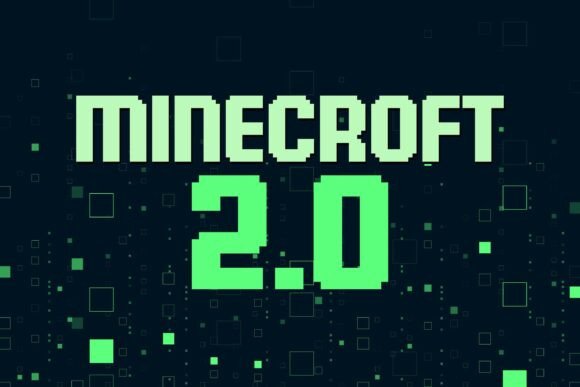
There is a distinct nostalgia associated with the golden age of 8-bit gaming, a visual language that communicated adventure and fantasy through blocky, vibrant pixels. For designers and creative professionals looking to harness that specific energy without resorting to outdated file formats, typography is the key. Minecroft 2.0 is not just a revival of the past; it is a modern display font engineered to bridge the gap between classic gaming aesthetics and contemporary design standards. It captures the essence of the arcade era while providing the clean lines and usability required for today’s high-resolution digital and print environments.
At its core, Minecroft 2.0 is a celebration of the "retro-digital" look. However, unlike many pixel fonts that sacrifice legibility for style, this typeface was designed with a bold, geometric structure. The characters feature sharp, defined edges that mimic the grid-based construction of early video game interfaces. This creates an immediate sense of familiarity for anyone who grew up in the digital age, yet the styling is refined enough to feel premium and intentional. It is a creative font that doesn't just sit on the page; it commands attention.
Why Retro-Digital Typography Resonates Today
In a market saturated with clean sans-serifs and elegant serifs, the "pixel" aesthetic stands out precisely because it is different. It signals a specific kind of personality: playful, tech-savvy, and confident. For brands, particularly those in the tech, entertainment, or lifestyle sectors, using a font like Minecroft 2.0 can be a strategic move. It helps in establishing a brand identity that feels approachable and energetic.
Consider the psychology of the viewer. When they see a bold, block-style display font, they subconsciously associate it with gaming, cartoons, and a sense of fun. This makes Minecroft 2.0 an excellent choice for projects that need to break the ice. Whether you are designing a logo for a new indie game studio, creating headers for a tech blog, or crafting a poster for a retro-themed event, the font does the heavy lifting of setting the mood instantly. It provides that "gaming atmosphere" that many designers struggle to achieve through imagery alone.
Practical Applications for Modern Creators
One of the most common misconceptions about display fonts is that they are limited in use. While it is true that a heavy, stylized font might not be ideal for long-form body text, Minecroft 2.0 proves to be incredibly versatile across a wide range of creative applications. Its visual appeal lies in its ability to be both nostalgic and stylish, making it a powerful tool in a designer's asset library.
For packaging design, particularly in the food, beverage, or novelty toy industries, this font offers a way to make shelf presence pop. Imagine a line of hot sauces or energy drinks; the bold, digital aesthetic of the typography suggests intensity and flavor. In the realm of merchandise, such as T-shirt designs or tote bags, Minecroft 2.0 shines. The blocky nature of the glyphs translates exceptionally well to screen printing and embroidery, ensuring that the design remains crisp and readable on fabric.
Digital creators will find this font equally useful. For social media graphics, where you have only a split second to stop a user from scrolling, the high-contrast, bold nature of Minecroft 2.0 is a significant advantage. It is perfect for YouTube thumbnails, Instagram stories, or Twitch overlays. The font creates a cohesive visual identity that audiences can recognize immediately, helping to build brand recognition over time.
Visual Consistency and Brand Recognition
Building a strong brand requires consistency. Every touchpoint a customer has with your business—from your website header to your email newsletter—needs to feel connected. This is where the utility of a typeface like Minecroft 2.0 becomes apparent. By utilizing a unique, stylistic font for your headings and key callouts, you create a visual shorthand for your brand.
For example, if you are a small business owner running a retro-gaming cafe or an arcade, using Minecroft 2.0 on your menu boards, signage, and social media creates a unified experience. It tells the customer exactly what kind of atmosphere to expect before they even walk through the door. It moves beyond simple legibility and enters the realm of emotional communication. The font acts as a design asset that reinforces your brand's story, ensuring that your presentation is not just professional, but also memorable.
Integrating Minecroft 2.0 into Your Workflow
While the aesthetic appeal is immediate, practical usability is what makes a font valuable to a working designer. Minecroft 2.0 features a carefully curated set of 96 glyphs and 95 characters. This count is optimized for display purposes, ensuring that you have the essential letters, numbers, and punctuation needed for headlines, titles, and branding elements without the file bloat of a massive text font.
When incorporating this typeface into your projects, consider the hierarchy of your design. Because Minecroft 2.0 is a display font with a strong personality, it pairs best with simpler, neutral typefaces for body text. A clean sans-serif or a modern serif font works well as a secondary style. This contrast allows the pixel-style font to take center stage for headlines while ensuring that the supporting text remains readable and accessible.
Here are a few practical tips for getting the most out of this font:
- Scale it up: Pixel fonts often lose their charm when used too small. Let Minecroft 2.0 breathe by using it at larger sizes for headers and titles.
- Color contrast: The blocky shapes look fantastic with high-contrast color schemes. Try pairing bright neons against dark backgrounds to mimic an old-school screen glow.
- Letter spacing: Depending on the medium, you may want to adjust the tracking slightly. For screen use, standard spacing usually works, but for embroidery or signage, a tiny bit of extra space can improve clarity.
Licensing and Commercial Usage
For entrepreneurs and commercial designers, understanding the licensing of your design assets is crucial. When selecting a premium font like Minecroft 2.0, it is important to review the specific licensing terms provided by the creator. Generally, high-quality commercial fonts come with licenses that cover a wide range of uses, including digital products, print materials, and merchandise.
However, if you plan to use the font in software, apps, or large-scale server-side generation, you should always verify that the license permits such usage. Investing in a legitimate license for a commercial font is not just about legal compliance; it is about supporting the artists who create these tools. A properly licensed font ensures that your business assets are secure and that you are using a professional-grade file that will render correctly across all devices and printers.
Ultimately, Minecroft 2.0 is more than just a collection of pixels. It is a versatile, stylish, and modern display font that solves the challenge of finding a typeface that is both fun and functional. Whether you are a hobbyist working on a personal blog or a professional agency building a brand identity, this font offers a unique way to inject energy and nostalgia into your work. It stands as a testament to how classic design principles can be reimagined for the modern creative landscape.