Bold Classic: Injecting Retro Energy into Modern Design
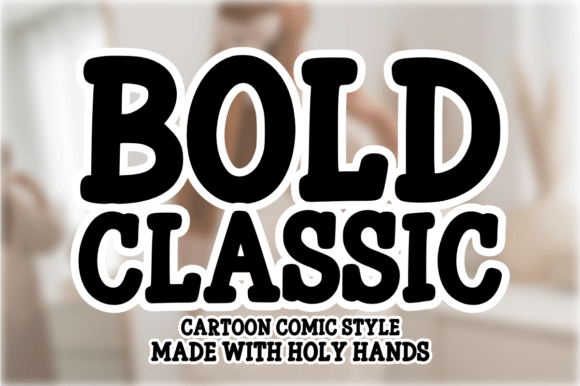
If you’ve spent any time scrolling through social media or browsing the shelves of a trendy boutique recently, you’ve likely noticed a resurgence of a specific aesthetic: the playful, high-energy vibe of vintage comic books. This isn't just a fleeting trend; it’s a powerful visual language that instantly communicates fun, action, and nostalgia. Capturing that specific "Pop Art" punch requires a typeface that understands the assignment. That is exactly where Bold Classic steps in. It is more than just a collection of letters; it is a heavy-hitting display font designed to be the voice of your project, shouting your message from the rooftops with thick, chunky characters and a playful, rounded finish.
For designers, entrepreneurs, and creators, the challenge often lies in finding a font that balances personality with usability. You want something that feels unique, but it also needs to be versatile enough to work across different mediums. Whether you are a small business owner looking to refresh your merchandise or a content creator trying to build a distinct brand identity on YouTube, the typography you choose acts as the face of your project. Bold Classic is engineered to serve as that high-impact face, offering a retro comic book aesthetic that feels both familiar and fresh.
The Anatomy of a High-Impact Typeface
What makes a font like Bold Classic so effective in a crowded market? It comes down to visual weight and structure. In typography, "weight" refers to the thickness of the strokes that make up a letter. Bold Classic features an exceptionally heavy weight, meaning the letters are dense and substantial. This is crucial for display typography—text meant to be read at large sizes, such as headlines, posters, or logos. When you use a light or thin font for a header, it can often get lost in the background noise of a busy design. A heavy typeface, however, anchors the layout.
Furthermore, the "rounded finish" of this typeface plays a significant psychological role. Sharp, angular fonts can feel aggressive, industrial, or overly serious. By softening the edges of these chunky characters, the font retains the power of a heavy display font while adding a layer of approachability and friendliness. This makes it incredibly versatile. It works for a children’s birthday invitation just as well as it does for a streetwear brand or a gaming logo. It captures that specific "Pop Art" energy—think Roy Lichtenstein or classic Marvel covers—where the text is almost an illustration in itself.
From Screen to Vinyl: Versatility in Application
In the modern creative landscape, a design asset is only as good as its compatibility. You might have a beautiful font in mind, but if it doesn't render well in your specific software or hardware, it’s useless. One of the standout features of Bold Classic is its optimization for modern crafting and design tools. It has been carefully crafted to ensure smooth cutting paths for machines like Cricut and Silhouette. If you have ever struggled with a font that creates jagged edges or causes your cutting machine to skip, you know how frustrating that can be. The clean outlines of Bold Classic ensure that whether you are cutting vinyl decals for car windows or heat transfers for T-shirts, the result is crisp and professional.
For digital creators, the font integrates seamlessly into the standard ecosystem. It works flawlessly in Adobe Illustrator, Photoshop, and InDesign for professional print and web design. However, it is also fully optimized for accessible platforms like Canva and Procreate. This accessibility is vital for the modern "solopreneur" or hobbyist who may not have the budget for expensive software subscriptions but still wants to produce high-quality graphics for Instagram, TikTok, or Etsy.
Practical Use Cases: Where Bold Classic Shines
The utility of a creative font is defined by the projects it can elevate. Because of its distinct style, Bold Classic fits into a wide variety of niches. Here is how different professionals can leverage this typeface:
- Merchandise and Apparel: Streetwear relies heavily on typography. A bold, graphic font is perfect for the front of a hoodie, a chest print on a T-shirt, or a logo on a baseball cap. The thick strokes ensure the design is readable from a distance, which is essential for apparel.
- Digital Content and Gaming: In the world of YouTube and Twitch, the thumbnail is king. A font that pops can increase click-through rates. Bold Classic is ideal for gaming overlays, stream alerts, and video titles where you need to convey excitement or action instantly.
- Packaging and Labels: If you sell a product, the packaging needs to grab attention on the shelf (or the screen). This font works beautifully for the main product name on a label, especially for food items, toys, or novelty goods that want to project a fun brand voice.
- Event Branding: Think superhero-themed parties, comic conventions, or school spirit events. The aesthetic is immediately recognizable and sets the mood before the event even begins.
Strategic Typography: Building Brand Recognition
Choosing a font is a branding decision. When you consistently use a specific typeface across your marketing assets, you begin to build visual equity. Over time, your audience starts to recognize your "voice" before they even read the words. Using a distinct display font like Bold Classic helps differentiate your brand from competitors who might be using standard, default system fonts.
However, it is important to understand the role of a display font. It is designed for impact, not for body text. You wouldn't want to write a long paragraph or a blog post in Bold Classic because the heavy weight and decorative nature would make it difficult to read in long blocks. Instead, use it strategically for the "hierarchy" of your design. Use Bold Classic for the Headline (H1), sub-headers, or call-to-action buttons. Then, pair it with a cleaner, more neutral font—like a simple sans-serif or a readable serif—for the body copy. This contrast creates a dynamic visual rhythm that guides the viewer's eye exactly where you want it to go.
Tips for Pairing and Professional Polish
To get the most out of Bold Classic, consider these practical design tips:
- Contrast is Key: Because Bold Classic is loud and expressive, pair it with something quiet. A clean sans-serif font like Montserrat, Roboto, or Open Sans makes an excellent companion. The simplicity of the body text will allow your bold headlines to stand out even more.
- Color Psychology: This font loves color. Don't be afraid to use high-contrast color combinations typical of comic art—bright yellows, reds, and blues against black or white outlines. This reinforces the retro aesthetic.
- Spacing Matters: Heavy fonts often look better with slightly tighter tracking (letter spacing) in headlines, as it makes the text feel like a solid, unified block. However, test this on your specific layout to ensure letters don't overlap awkwardly.
- Check Your Licensing: If you are using this font for commercial projects—like selling T-shirts or client work—always ensure you have the correct license. Most premium fonts come with a license that covers physical and digital end products, but it is always good practice to double-check the terms provided with your download.
Ultimately, the goal of design is communication. You have a message, a product, or a story, and you need to share it with the world. Typography is the vehicle for that message. By incorporating a typeface with as much character and versatility as Bold Classic, you are not just decorating a page; you are adding a layer of professional polish and personality that resonates with viewers. Whether you are a seasoned graphic designer or a hobbyist just starting to explore the world of creative assets, having a reliable, high-energy display font in your toolkit is an invaluable asset. It transforms the ordinary into the extraordinary, ensuring your projects are not just seen, but remembered.