Arvoire Leonard: A Modern Vintage Font for Timeless Design
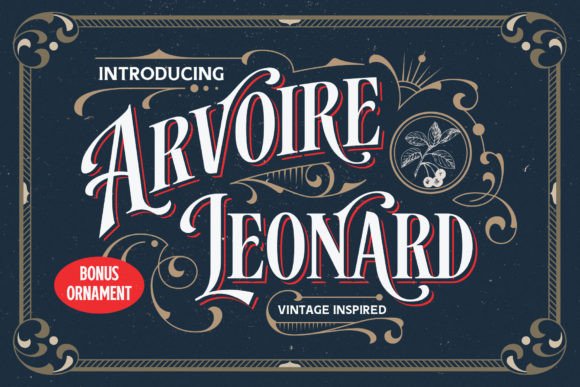
There’s a particular kind of charm in the typography of old signage—the sort you might see on a weathered shopfront or a faded poster from the early 1900s. It carries weight, history, and a sense of craftsmanship that’s hard to replicate. Arvoire Leonard captures that essence, blending 19th-century inspiration with a clean, contemporary execution. It’s not a mere replica; it’s a thoughtful reinterpretation for today’s creative projects.
This font comes in two styles—Regular and Shadow—each offering a distinct personality. The Regular version presents strong, all-caps letterforms with an elegant yet sturdy feel, while the Shadow variant adds depth and dimension, evoking a sense of nostalgia without feeling dated. The collection draws from authentic vintage references: think old badges, classic logos, and hand-painted signage that once defined streetscapes and brand identities.
Where Classic Meets Contemporary
Arvoire Leonard sits in a unique space. It’s a display font with clear roots in historical design, but it doesn’t feel like a museum piece. The letterforms are carefully crafted to maintain readability while exuding character. This balance makes it versatile enough for both digital and print applications. Whether you’re designing a logo for a boutique brand or creating social media graphics that need to stand out, this typeface brings a level of sophistication that’s often missing in more generic modern typography.
One of the strengths of this font is its PUA encoding. For those unfamiliar, this simply means that accessing special characters, ligatures, and alternate glyphs is straightforward—no advanced design software knowledge required. You can explore stylistic variations directly, which opens up creative possibilities for customizing text to fit specific visual narratives.
Practical Applications Across Creative Fields
Let’s talk about where Arvoire Leonard can actually be used. If you’re working on brand identity for a coffee roastery, a distillery, or a heritage-inspired clothing line, this font lends an air of authenticity and timelessness. Its all-caps structure works well for headlines, logos, and packaging where impact matters. Imagine it on a craft beer label or a artisanal product box—it immediately communicates quality and tradition.
For editorial design or book covers, the Regular style can serve as a striking title font, especially in genres like historical fiction, mystery, or vintage-inspired cookbooks. The Shadow variant adds a playful, dimensional effect suitable for posters, event invitations, or even merchandise like t-shirts and tote bags. It’s the kind of typeface that makes people look twice, not because it’s loud, but because it feels intentional.
Digital creators will find it useful for social media graphics, particularly where a cohesive aesthetic is key. Use it for Instagram quotes, YouTube thumbnails, or Pinterest pins where you want a touch of retro flair without sacrificing clarity. Paired with a clean sans serif font or a simple script font, it can create a balanced hierarchy that guides the viewer’s eye naturally.
Enhancing Visual Communication and Brand Recognition
Typography is more than just choosing a pretty font. It’s a tool for communication. The right typeface can reinforce a brand’s values, evoke specific emotions, and improve readability across contexts. Arvoire Leonard, with its serif font influences and structured letterforms, helps establish a visual consistency that audiences can recognize over time. This is crucial for building brand recognition—especially for small businesses or personal brands competing in crowded markets.
When testing font pairings, consider contrast. A bold, decorative font like Arvoire Leonard pairs well with something simpler and more neutral. Think of it as the star of the show, supported by a reliable sidekick. For body text, opt for a legible sans serif font or a subdued handwritten font that doesn’t compete for attention. This approach ensures your designs remain professional and easy to read, whether on a website, a printed brochure, or a mobile screen.
Considerations for Commercial Use and Design Strategy
Before integrating any premium font into your projects, it’s wise to review licensing terms. Arvoire Leonard is designed for commercial use, but understanding the specifics—like whether it covers merchandise, digital products, or client work—will help you avoid any surprises down the line. Many designers overlook this step, only to face issues later when scaling a brand or expanding into new product lines.
Also, think about your project’s goals. Are you aiming for a vintage feel, or do you want a modern twist on classic typography? The two styles of Arvoire Leonard offer flexibility here. The Regular style leans more towards timeless elegance, while the Shadow style adds a layer of visual interest that can make designs feel more dynamic. Testing both in your mockups will reveal which aligns best with your vision.
Ultimately, Arvoire Leonard is more than just a creative font—it’s a design asset that can elevate visual storytelling. Whether you’re a designer crafting a brand identity, a marketer developing campaign materials, or a hobbyist personalizing gifts, its blend of historical charm and modern utility makes it a worthy addition to your typographic toolkit. The key is to use it thoughtfully, pairing it with complementary elements and always keeping your audience’s experience in mind.