Widlething: Where Bold Serifs Meet Elegant Swashes
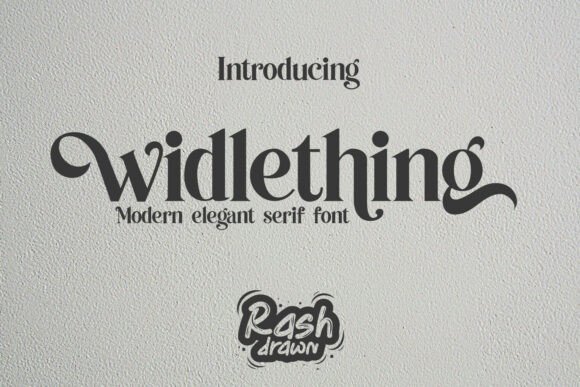
There's a particular moment in the design process when you find a font that doesn't just sit on the page—it commands attention. It has weight, presence, and a kind of quiet confidence that tells you this isn't just another typeface pulled from a generic library. That's the experience of discovering Widlething. At first glance, you notice the bold serif structure, the kind of typographic backbone that anchors a design with authority. Then your eye catches the swashes—dynamic, sweeping strokes that add movement and a touch of artistry. It's this combination that makes Widlething more than just a display font; it's a design tool with real personality.
A Font Built for Visual Impact
What sets Widlething apart from other premium fonts is its dual nature. The serif framework gives it a classic, trustworthy feel, while the swashes introduce an element of surprise and sophistication. Every character was hand-crafted with sharp, deliberate detail. You can see the precision in the curves, the consistency in the stroke weight, and the careful balance between the bold letterforms and the decorative flourishes. This isn't a font that was auto-generated or rushed to market. It reflects a level of craftsmanship you'd expect from a bespoke type foundry, and that quality translates directly into your work.
For designers and creatives, this means Widlething can serve as the visual cornerstone of a brand identity. When you're building a logo for a high-end skincare line, a boutique hotel, or a luxury fashion label, you need typography that communicates exclusivity without feeling cold. Widlething does exactly that. The serif structure conveys stability and tradition, while the swashes add a layer of elegance that feels modern and intentional. It's a font that tells a story before a single word is read.
Practical Applications Across Creative Projects
The versatility of Widlething is one of its strongest assets. It's not limited to one type of project or one industry. Here's where it really shines:
- Branding and Logo Design: Use Widlething as the primary typeface for a brand mark. Its bold presence ensures the logo stands out on packaging, business cards, and digital platforms. The swashes can be used selectively to add a distinctive flourish that becomes part of the brand's visual language.
- Packaging and Product Design: On luxury packaging—think perfume boxes, artisanal chocolate wrappers, or premium candle labels—Widlething adds a tactile quality to the typography. The sharp details hold up beautifully in print, even at smaller sizes, ensuring the product looks as refined on the shelf as it does in a digital mockup.
- Editorial and Print Layouts: For magazine covers, book titles, or premium lookbooks, Widlething provides the kind of typographic drama that draws readers in. Pair it with a clean sans serif font for body text to create a balanced hierarchy that's easy to read and visually engaging.
- Wedding Invitations and Stationery: The elegant swashes make Widlething a natural fit for wedding suites, event invitations, and formal stationery. It brings a sense of occasion to the typography without relying on overly ornate script fonts that can sometimes feel dated.
- Digital and Social Media: On platforms like Instagram, Pinterest, or a brand's website, Widlething helps create a cohesive visual identity. Use it for headlines, quote graphics, or promotional banners where you need typography that pops against a busy background or a minimalist layout.
- Marketing and Advertising: Whether it's a poster for a gallery opening, a flyer for a boutique sale, or a digital ad for a new product launch, Widlething delivers a strong visual presence. Its bold structure ensures readability at a distance, while the swashes add just enough detail to make the design feel considered and polished.
Matching Typography to Your Project's Goals
Choosing the right font isn't just about aesthetics—it's about alignment. The typography you select should reflect the personality of the brand, the expectations of the audience, and the context in which the design will be seen. Widlething is best suited for projects where the goal is to communicate luxury, craftsmanship, or a sense of occasion. It's not the font you'd choose for a children's toy brand or a casual food truck menu. But for a high-end jewelry line, a law firm's rebrand, or a premium subscription box service, it's an excellent match.
One practical approach is to start by defining the brand's voice. Is it authoritative? Playful? Minimalist? Traditional? Once you've established that, you can evaluate whether Widlething's personality aligns with those attributes. If the brand values heritage and sophistication, this font will feel right at home. If the brand leans more toward modern simplicity, you might use Widlething sparingly—as a headline font paired with a geometric sans serif—to strike the right balance.
Font Pairing and Readability Considerations
No font works in isolation. Widlething's bold, decorative nature means it pairs best with simpler, more understated typefaces for body copy. A clean sans serif like a modern grotesque or a humanist sans can provide the readability needed for longer text blocks while allowing Widlething to remain the visual focal point. When testing font pairings, pay attention to contrast in weight, style, and x-height. You want the two fonts to complement each other, not compete.
Readability is another key factor. While Widlething is highly legible at larger sizes—making it ideal for headlines, titles, and display text—it's not designed for extended paragraphs of small body text. Use it where it will have the most impact: at the top of a page, on a product label, or as part of a logo lockup. For everything else, choose a supporting font that prioritizes clarity and comfort.
Licensing and Commercial Use
Before incorporating Widlething into a client project or a commercial product, review the licensing terms carefully. Most premium fonts come with specific usage rights that cover print, digital, and sometimes merchandise applications. If you're designing for a client, ensure the license covers their intended use—especially if the font will appear on products for sale, in advertising campaigns, or across multiple platforms. Some licenses are per-user, while others are project-based, so it's worth confirming the details upfront to avoid any issues down the line.
Why Craftsmanship in Typography Still Matters
In an era where thousands of fonts are available at the click of a button, it's easy to treat typography as an afterthought. But the fonts you choose carry weight—literally and figuratively. A hand-crafted font like Widlething brings a level of intentionality to your work that a generic, mass-produced typeface simply can't replicate. The sharp details, the balanced proportions, the thoughtful design of each swash—these elements add up. They signal to your audience that this brand, this project, this invitation was made with care.
For designers, that's not just a visual benefit. It's a professional one. When you consistently choose high-quality design assets—whether it's a font, a color palette, or a photography style—you build a reputation for excellence. Your clients notice. Their customers notice. And that attention to detail becomes part of the brand's story.
Widlething isn't just a font. It's a statement about the kind of work you want to create and the standards you hold yourself to. Whether you're designing a single logo or building an entire brand identity from the ground up, having a typeface that reflects that level of care makes all the difference.