Watercolor Ink Drops: A Font That Feels Like Art
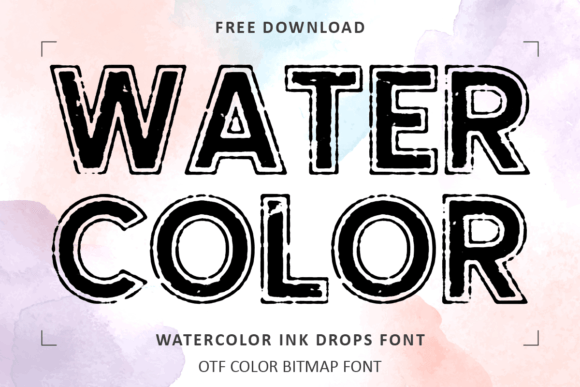
There's a moment in every design project where the typeface either disappears into the background or demands attention. Some fonts whisper. Others shout. And then there are typefaces like Watercolor Ink Drops, which do something far more interesting—they drip, stain, and bleed across the canvas with the kind of raw, organic energy that digital typography rarely captures. This isn't a font that pretends to be something it's not. It's a black watercolor typeface, complete with authentic stains, spots, and irregular edges, all set against a transparent background. The result is a design asset that feels handmade, imperfect, and completely alive.
For designers, entrepreneurs, and creative professionals who've grown tired of sterile, overused display fonts, this kind of typeface opens a door. It's not trying to replace your clean sans serif or your elegant serif font. It exists for the moments when you need your words to carry texture, mood, and visual weight—the moments when a project calls for something with genuine character.
What Makes This Typeface Stand Out in a Crowded Market
The digital font marketplace is saturated. Thousands of premium fonts compete for attention, and most of them follow predictable patterns. Watercolor Ink Drops takes a different approach by embracing the aesthetic of traditional ink and watercolor illustration. Each letterform carries the natural variation you'd expect from pigment meeting paper—uneven edges, subtle pooling, and those beautiful accidental spots that happen when ink interacts with water in unpredictable ways.
This isn't achieved through a simple filter or texture overlay. The transparency of the background means the watercolor elements integrate seamlessly into any design, whether you're layering them over photography, solid colors, or complex illustrations. The black ink maintains strong contrast while the organic details add depth that flat typography simply cannot replicate.
For anyone working in logo design or brand identity, this distinction matters enormously. A textured typeface like this communicates authenticity, craftsmanship, and creative confidence. It tells your audience that whoever made this cared about the details—and that kind of visual messaging translates directly into trust and recognition.
Where This Font Truly Shines: Real Applications
Let's talk about where Watercolor Ink Drops actually works in practice, because not every font suits every project, and understanding the right context is what separates good design from great design.
Branding and Identity Systems work beautifully with this typeface when the brand personality leans artistic, artisanal, or expressive. Think boutique coffee roasters, independent record labels, handmade cosmetics, or creative agencies that want to signal their hands-on approach. The watercolor texture becomes part of the brand's visual language, reinforcing the story you're already telling through your products and services.
Poster and Editorial Design is perhaps the most natural home for a font like this. Movie posters, music album covers, magazine feature spreads, and event announcements all benefit from type that carries visual drama. The ink drop aesthetic pairs particularly well with dark themes, noir aesthetics, horror genres, or any project where mood takes priority over minimalism.
Packaging Design presents another strong opportunity. Products on shelves have roughly three seconds to capture attention. A watercolor-styled headline on a label, box, or bag immediately sets a product apart from competitors relying on standard typography. This works especially well for artisanal food products, craft beverages, specialty teas, and handmade goods where the packaging needs to reflect the product's handmade quality.
Social Media Graphics and Digital Content benefit from fonts that stop the scroll. Instagram posts, YouTube thumbnails, podcast artwork, and Pinterest pins all compete in visually noisy environments. The irregular, organic quality of watercolor ink drops creates a focal point that draws the eye precisely because it doesn't look like everything else in the feed.
Merchandise and Apparel designers often gravitate toward textured fonts for t-shirts, hoodies, tote bags, and accessories. The watercolor aesthetic translates exceptionally well to screen printing and DTG printing, where the organic imperfections feel intentional and desirable rather than like production errors.
Invitations and Event Materials for weddings, gallery openings, music events, and creative workshops gain an elevated, artistic quality when the typography itself feels like a piece of art rather than a simple typesetting choice.
Making It Work: Practical Typography Advice
Having a striking display font is one thing. Using it effectively is another entirely. Here's what matters when working with a typeface as visually distinctive as Watercolor Ink Drops.
Pair it intentionally. A textured, expressive font needs a grounding partner. Pair it with a clean sans serif or a simple serif font for body text and supporting copy. The contrast between the artistic headline and the functional body text creates hierarchy naturally. Think of it like seasoning in cooking—a little goes a long way, and the supporting ingredients should let the star flavor shine without competing.
Watch your sizing. Display fonts with intricate details like watercolor stains and ink drops work best at larger sizes. At very small sizes, the texture can become muddy or illegible. Use this typeface for headlines, titles, logos, and featured text. For paragraphs, captions, and fine print, switch to something more legible.
Consider the color palette. While the font comes in black with transparent backgrounds, the surrounding colors dramatically affect how it reads. Light backgrounds create maximum contrast and drama. Dark backgrounds can work if you invert or adjust the font color, but test carefully to ensure the watercolor details remain visible and impactful.
Test before committing. Before finalizing any design, view your work at multiple sizes and on different screens or print proofs. What looks stunning on a large monitor might lose detail on a mobile screen. What reads beautifully on a poster might blur on a business card. Responsible design means testing across the contexts where your audience will actually encounter the work.
Review the included styles. Most premium font packages include variations—different weights, alternate characters, or stylistic sets. Familiarize yourself with everything included in the Watercolor Ink Drops package before starting your project. You might discover alternates that work even better for your specific application.
Beyond Aesthetics: Strategic Value for Your Projects
Choosing a font isn't just a visual decision—it's a strategic one. The typography you select for a brand, campaign, or creative project communicates volumes before anyone reads a single word. A watercolor ink typeface signals creativity, artistic sensibility, and a willingness to stand apart from conventional approaches.
For small business owners building a brand from scratch, this kind of distinctive typography can accelerate brand recognition. When your logo, packaging, website, and social media all share a consistent typographic voice that nobody else is using, your audience starts to recognize you instantly—even before they read your name. That's the power of visual consistency paired with distinctive design assets.
For content creators and marketers, incorporating a creative font like this into your visual toolkit means you always have an option for high-impact moments. Launch announcements, special promotions, seasonal campaigns, and collaborative projects all benefit from having a bold typographic choice ready to deploy.
And for fellow designers juggling client work across multiple industries, building a library of versatile, high-quality typefaces—including expressive options like Watercolor Ink Drops—means you're prepared for projects that range from corporate to completely unconventional.
One final consideration worth mentioning: always verify the commercial licensing terms before using any font in client work, merchandise for sale, or widely distributed materials. Understanding what's permitted under your license protects both you and your clients, and ensures your creative work stands on solid legal ground alongside its visual excellence.