The Warmth of Handmade Design: A Deep Dive into Honey Bloom
If you have ever walked through a weekend farmers market or browsed an artisanal soap shop, you know the feeling of picking up a product and instantly sensing that a real human being poured their heart into it. There is a specific warmth to handwritten communication that digital precision often fails to capture. We crave that tactile, organic connection in a world saturated with sterile, geometric sans-serifs. This is precisely the gap that Honey Bloom was designed to fill. It is not merely a collection of letters; it is a tool for injecting personality, approachability, and a distinct "handmade-and-heartfelt" soul into your visual projects.
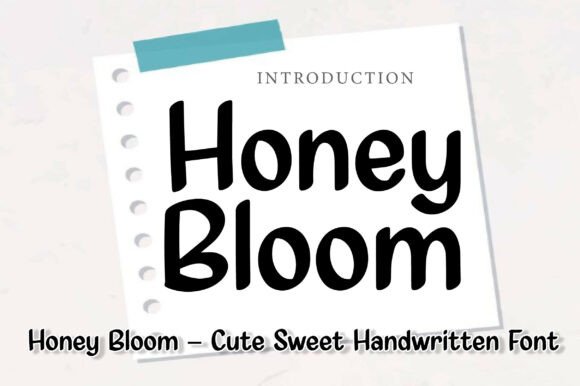
At first glance, this typeface presents a charmingly tall and slender profile. It avoids the messy, chaotic loops often associated with casual script fonts, opting instead for a clean, upright rhythm. The magic lies in the details: the soft terminals that mimic the effortless flow of a high-quality felt-tip marker give the text a tactile quality. It feels modern yet nostalgic, structured yet fluid. For independent stationery designers, personalized gift curators, or anyone organizing a kitchen pantry with style, this font acts as a bridge between professional design and personal touch.
Visual Identity: Balancing Elegance and Approachability
When building a brand identity, the choice of typography dictates the emotional tone of your business. A rigid, geometric sans-serif might scream efficiency and tech-forward thinking, but it rarely whispers "comfort" or "care." Honey Bloom occupies a unique space in the modern typography landscape. Because it features elongated letterforms without excessive slanting, it maintains a sense of professionalism and legibility that many handwritten fonts lack.
Imagine you are launching a line of organic skincare or a boutique coffee roasting service. You want your customers to feel that your product is crafted with care, but you also need them to trust your quality. Honey Bloom provides that visual shorthand. It signals that your brand is human-centric. It tells a story of craftsmanship before the customer even reads a word of your copy. This makes it a premier choice for creative font selections where the goal is to build immediate rapport with the audience.
Practical Applications for Creative Professionals
Understanding the aesthetic of a typeface is one thing; knowing how to apply it effectively across different mediums is where the real design work happens. Honey Bloom is incredibly versatile, functioning beautifully as a display font for headlines, logos, and short bursts of text that need to command attention without feeling aggressive.
Packaging and Label Design
For small business owners handling their own packaging design, typography is often the bottleneck. You need a font that stands out on a crowded shelf but remains legible at small sizes on a jar or bottle. Honey Bloom excels here. Use it for your main product name on artisanal goods—think honey jars (fittingly), candle labels, or boutique clothing tags. Its tall structure allows it to fit into narrow columns, making it ideal for back-of-package descriptions or ingredient lists where space is at a premium.
High-Impact Social Media Graphics
The digital landscape is noisy. On platforms like Instagram or Pinterest, you have milliseconds to stop a user from scrolling. A "sweet-and-simple" header created with Honey Bloom can be the hook you need. It is distinct enough to differentiate your content from the standard system fonts used by millions, yet clean enough to remain readable on mobile devices. It works exceptionally well for quote graphics, sale announcements, and lifestyle headers that need a touch of warmth.
Stationery and Invitation Suites
For wedding stationers and invitation designers, the font choice sets the entire mood of the event. Honey Bloom offers a modern alternative to traditional calligraphy. It feels less formal and stuffy, perfect for couples looking for a relaxed, garden-party, or bohemian vibe. It pairs beautifully with textured paper stocks, enhancing the tactile experience of receiving a physical invitation.
Web Design and Blogging
While you wouldn't use a display font for your main body text, Honey Bloom can transform the user experience of a website when used strategically. It is perfect for breaking up the monotony of standard web typography. Use it for section headers, pull quotes, or the "About Me" section title on a blog. It adds a layer of editorial design sophistication and helps guide the reader's eye down the page, increasing engagement and time-on-site.
Strategic Typography: Pairing and Readability
Even the most beautiful premium font can fail if it isn't used correctly. As a designer or business owner, your goal is visual consistency and readability. Honey Bloom is a distinct character, so it requires a supporting cast that complements rather than competes.
The Art of Font Pairing: Because Honey Bloom has such a strong personality, it pairs best with neutral, grounding fonts. A clean, geometric sans-serif or a classic serif font works wonders. For example, use Honey Bloom for your main headline to draw the eye, and pair it with a highly legible sans-serif like Lato, Open Sans, or Montserrat for the body copy. This contrast creates a visual hierarchy that looks professional and is easy for the audience to digest.
Readability Considerations: While Honey Bloom is cleaner than many script fonts, it is still a display typeface. Avoid using it for long paragraphs of body text, as the eye tires quickly when reading stylized fonts in large blocks. It is designed for impact, not endurance. Additionally, pay attention to letter spacing (tracking). Because the letterforms are tall and slender, they may benefit from slightly increased tracking in all-caps settings to ensure the letters don’t clump together visually.
Commercial Viability and Asset Management
For the entrepreneur or marketer, a font is an investment in brand recognition. When selecting a creative font like Honey Bloom for commercial use, it is vital to consider the practicalities of the asset.
Licensing and Usage: Always review the commercial licensing terms of any design asset. Ensure that the license covers your specific intended uses, whether that is for physical merchandise, digital products, or client work. A professional license ensures you are protected legally as your brand grows.
Reviewing Font Styles: A robust typeface often comes with variations. Check if Honey Bloom includes different weights or stylistic alternates. Having access to a bold version or slightly different swashes can help you maintain brand consistency across various touchpoints—from a thick, bold header on a poster to a lighter, elegant touch on a business card.
Testing Before Launch: Before finalizing your logo or printing a run of 1,000 product labels, test the font in context. Mock up your designs on a screen and, if possible, print a physical sample. How does the ink bleed affect the soft terminals of the letters? Does the color of the text contrast enough against the background? These small details separate amateur designs from professional presentations.
The "Handmade" Advantage in a Digital World
Ultimately, the rise of fonts like Honey Bloom reflects a broader shift in visual communication. We are moving away from the cold perfection of the early digital age and toward a hybrid aesthetic that values human touch. Whether you are designing a header for a food blog, creating a logo for a local florist, or laying out a menu for a farm-to-table restaurant, this typeface offers a solution that is both visually striking and emotionally resonant.
It allows you to infuse your designs with the effortlessness of a felt-tip marker while maintaining the structure required for high-impact marketing. By leveraging its tall, slender forms and soft, approachable aesthetic, you can create a visual identity that doesn't just sell a product, but invites people into a story.