Radio Days: A Font That Brings Retro Energy to Modern Designs
There's something undeniably magnetic about typography that carries a sense of movement. You know the feeling—when a headline practically jumps off the page, when a logo feels like it's buzzing with electricity, when a poster commands attention from across the room. That kinetic energy is exactly what makes certain typefaces stand out from the crowd, and it's the reason designers keep reaching for bold, character-driven display fonts that do more than just spell words.
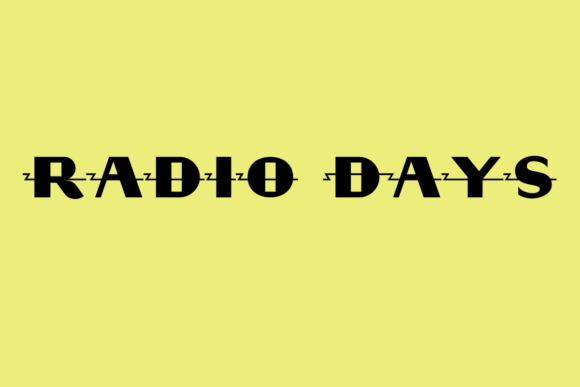
Radio Days is one of those typefaces. It's an electrifying, fun, and bold display font that channels the golden age of radio while feeling completely at home in contemporary design projects. Think retro charm meets modern punch. The letterforms carry a distinctive personality—thick, confident strokes with playful proportions that suggest motion and excitement. But what really sets this typeface apart are the included lightning bolt elements, which let you create flowing retro-style phrases that feel dynamic and alive. These decorative touches transform ordinary text into visual statements, perfect for banners, posters, headlines, branding, and so much more.
Why Display Fonts Like This One Matter for Your Brand
Every brand needs a voice, and typography is one of the loudest ways to express it. A serif font might whisper tradition and reliability. A sans serif font might speak with clean, modern clarity. But a display font like Radio Days? It shouts confidence, creativity, and a willingness to stand out.
For small business owners and entrepreneurs, choosing the right typeface for your brand identity isn't just an aesthetic decision—it's a strategic one. The fonts you use across your logo design, packaging, website, and marketing materials send instant signals to your audience about who you are and what you stand for. A vintage-inspired display typeface communicates nostalgia, craftsmanship, and personality. It tells people you care about design and that your brand has character.
Consider a local coffee roaster looking to differentiate itself from corporate chains. Slapping their name in a generic sans serif font does nothing to tell their story. But setting it in a bold, retro-inspired typeface with a lightning bolt accent? Suddenly the packaging design feels artisanal, the social media graphics pop with energy, and the whole brand identity feels cohesive and intentional.
Practical Applications That Go Beyond the Obvious
When people first encounter a creative font like this, they often think of posters and headlines. And yes, it absolutely excels there. But the real value of a versatile display typeface shows up when you start applying it across multiple touchpoints.
Logo design and branding: A distinctive wordmark set in Radio Days can become the foundation of an entire visual identity. The bold letterforms scale well, and the lightning bolt elements offer a unique signature detail that competitors simply can't replicate with standard fonts.
Packaging design: Whether you're designing labels for craft beer, artisanal goods, or boutique products, a retro-inspired display font instantly communicates quality and personality. It works beautifully as the primary product name on a label, especially when paired with a cleaner body font for ingredient lists and descriptions.
Social media graphics: In a sea of Canva templates and overused fonts, standing out on Instagram or TikTok requires visual distinctiveness. Bold typography with retro flair stops the scroll. Use it for quote graphics, sale announcements, story headers, or promotional banners where you need maximum impact in minimal space.
Website design: While you wouldn't set an entire blog post in a display font, using it strategically for hero sections, landing page headlines, and call-to-action buttons adds visual interest and reinforces brand personality. The key is restraint—let the font do its job in targeted moments rather than overwhelming every page.
Print materials and editorial design: Event posters, magazine covers, menu headers, business cards, and invitations all benefit from typography that makes a statement. Radio Days works particularly well for any project that needs to feel celebratory, energetic, or nostalgic.
Merchandise and digital products: T-shirts, tote bags, stickers, mugs—physical products with strong typography sell better because people want to wear and display things that look good. Similarly, digital products like online course graphics, e-book covers, and email headers benefit from a polished, professional presentation that builds trust with your audience.
Getting the Most From Your Font Pairings
A display font rarely works alone. The most effective designs combine typefaces thoughtfully, creating hierarchy and balance that guides the reader's eye. Here's the thing about pairing fonts with something as bold as Radio Days: you need contrast.
Because this typeface is expressive and attention-grabbing, pair it with something quieter for body text. A clean sans serif font handles the heavy lifting of paragraphs, captions, and smaller text elements while the display font commands attention where it matters most. Think of it like a conversation—the display font makes the introduction, and the body font delivers the details.
Some practical pairing approaches to consider:
- Display headline + geometric sans serif body: This creates a modern-retro balance that feels fresh without being chaotic.
- Display headline + classic serif body: This pairing leans into the vintage aesthetic, perfect for editorial layouts and lifestyle branding.
- Display headline + handwritten script accents: For projects that need extra personality, layering in a script font for secondary elements like taglines or signatures adds warmth.
Always test your pairings in context. Set actual content, not just "Lorem ipsum." See how the fonts interact at different sizes, on different backgrounds, and across different mediums. What looks great on your laptop screen might feel cramped on a mobile device or lose impact when printed at small sizes.
Readability Considerations for Real-World Projects
Here's where practical experience matters more than theory. Display fonts are designed for impact at larger sizes, and Radio Days is no exception. It's built for headlines, banners, and prominent text—not for setting 12-point paragraphs. Understanding this distinction is crucial for professional presentation.
When working with any premium font that prioritizes style, keep these readability principles in mind:
- Size matters: Use display fonts at 24 points and above for screen designs, and even larger for print. If the text needs to be read quickly and effortlessly at small sizes, switch to a more neutral typeface.
- Spacing is your friend: Bold, characterful fonts often benefit from slightly increased letter spacing, especially in all-caps settings. Give the letters room to breathe.
- Color contrast: Ensure sufficient contrast between text and background. A bold font on a busy background can become illegible fast. Simple, high-contrast color combinations let the typography shine.
- Context determines everything: A directional sign at a music festival can handle more typographic flair than a medical information pamphlet. Match the font's personality to the situation.
Making Smart Decisions About Commercial Fonts
If you're using typography for anything beyond personal projects, licensing matters. A commercial font comes with specific usage rights that determine how and where you can legally use it. Before purchasing any design assets, review the license terms carefully. Can you use it on merchandise for sale? Can you embed it in digital products? Is the license per-user or per-project?
Investing in quality typography is one of the most cost-effective design decisions you can make. A single well-chosen font can unify an entire brand identity, save hours of searching for free alternatives that never quite fit, and elevate the perceived value of everything you create. When you find a typeface that genuinely fits your brand's personality—something like Radio Days with its distinctive retro energy and versatile decorative elements—it becomes a foundational design asset you'll return to again and again.
The best typography choices aren't just about what looks trendy right now. They're about finding typefaces that authentically represent your brand's voice and resonate with your specific audience. Take the time to experiment, test in real applications, and trust your instincts. When a font feels right, it usually is.